




Weekly updateNov 11
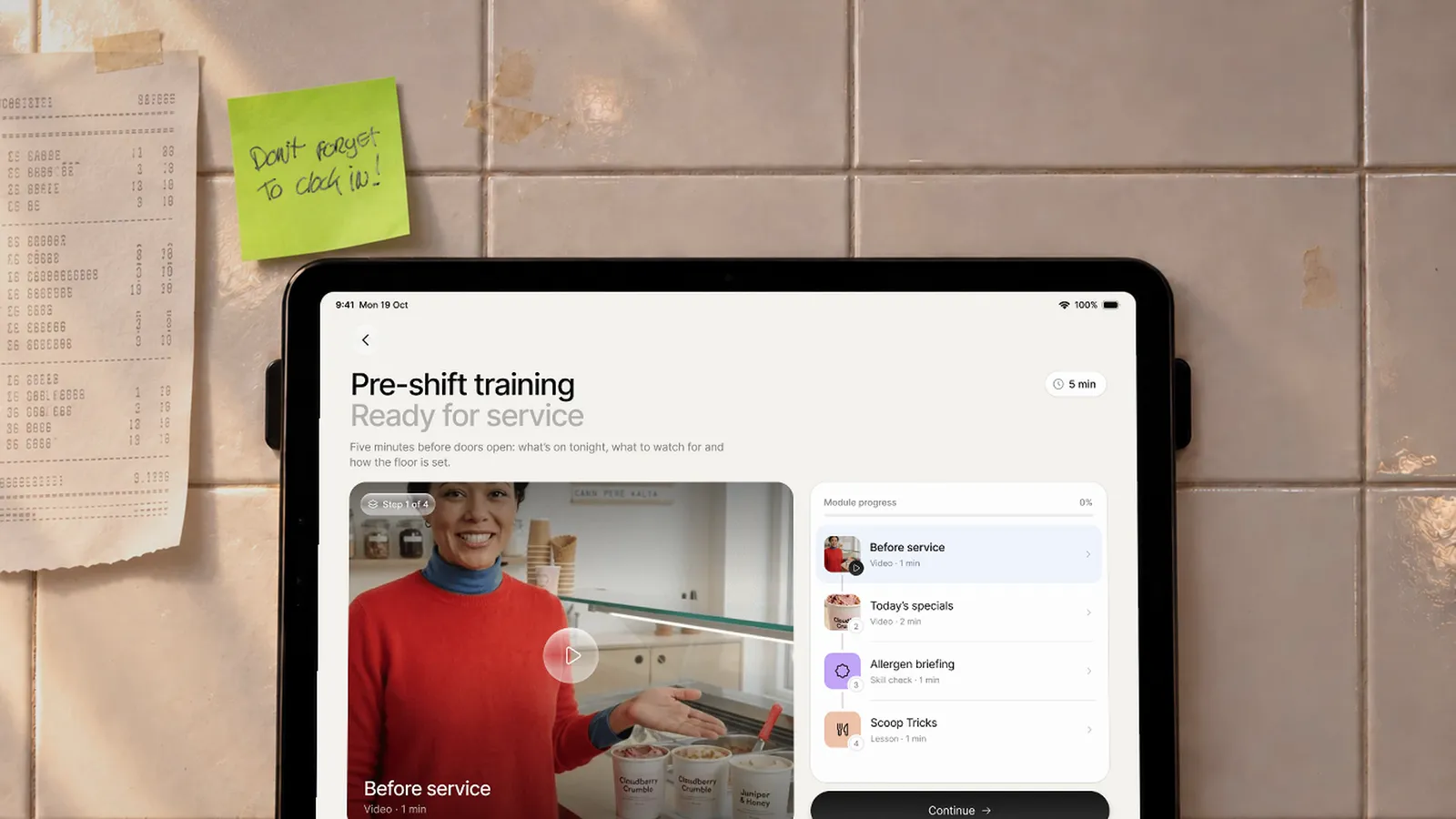
Spotlight: We’re rolling out a refreshed Uniform Policy to help us keep a clean, safe, and guest-ready look. Check out this course to learn more!
 Uniform policy


























60%Reduction in accuracy issues
“Opus has become a critical component of our franchise success and our ability to grow the way we want to.”
50%Fewer missed daily tasks

3%Higher guest service scores

25%Faster new store openings
50%Better team member retention
“We’ve improved team member retention by 50% over the last 12 months.”
4xHigher frontline adoption than a typical LMS

$100K+Saved in annual printing costs




“Opus is the best training platform that’s out there.”



“Service consistency is everything in our business.”



“The impact has been phenomenal.”




































A training and operations platform helps multi-location businesses train teams and hold standards across every location. Unlike a traditional LMS, it connects learning to daily work, so employees know what to do, managers can reinforce it, and updates reach every location in real time. It’s built for hourly, mobile, high turnover teams.
Yes. Opus includes checklists, audits, site visits and messages alongside training. Managers see what got done at each location, and training and operations data sit side by side, so you can connect standards to results.
Yes. Keep SOPs, policies and guides in the resource library. Staff find answers with AI search in their own language, and every answer points back to your source document.
It depends on how much content you have and how many locations you’re rolling out to. Smashburger launched 200 locations in 60 days. VASA Fitness launched 70 locations in 30 days. Most brands start with a content audit, so you only bring over what’s worth keeping.
Yes. Lots of brands set up a tablet or station in the back of house so teams don’t need their own phones. Team members can sign in to do their own training, or use the station to look up resources and specs during a shift.
Traditional LMS platforms fail frontline workers because they are hard to access, difficult to keep up to date, and disconnected from daily work. They often assume email access and long training sessions, while SOPs live in outdated PDFs or slide decks. Most LMS tools don’t integrate with tasks or manager communication, so training is completed—but not applied.
Multi-location businesses train hourly employees at scale using mobile-first platforms that centralize standards, deliver short, role-specific training, and push updates instantly across locations. The most effective systems combine training, SOPs, and task reinforcement so employees learn while working and managers can consistently reinforce expectations.
Companies train multilingual frontline teams effectively by using platforms like Opus Training that automatically translate training and SOPs while maintaining a single source of truth. Content is published once and delivered in each employee’s preferred language, reducing reliance on bilingual managers and ensuring consistent standards across every location.
Multi-location businesses improve NSOs by standardizing training, SOPs, and pre-opening tasks across locations. The most effective teams use mobile-first systems to train new hires quickly, reinforce standards daily, and push real-time updates so every location opens aligned and prepared.
Enterprise plans add implementation support for rollouts across locations and franchisees, single sign-on, HRIS and data integrations, and security reviews. Talk to us about your rollout.
