Rachael Nemeth 0:00
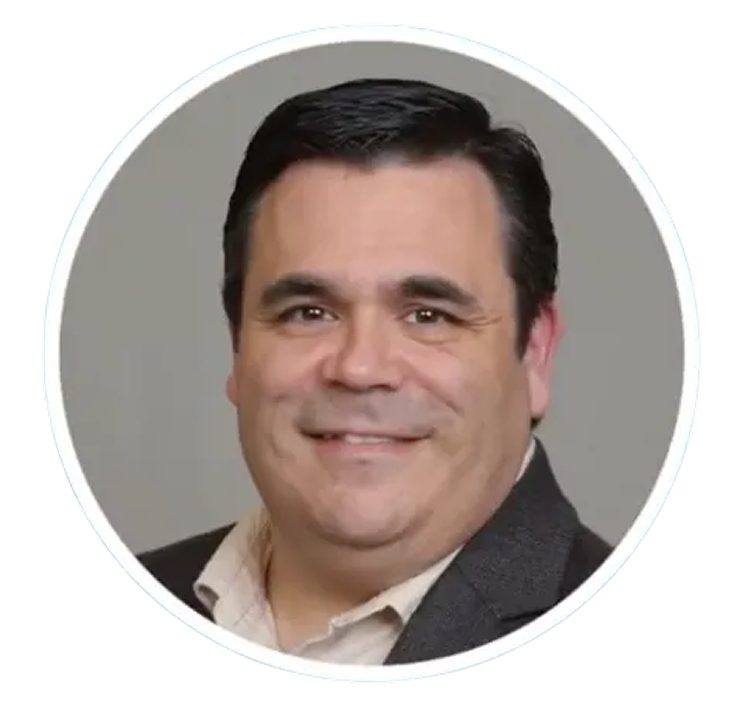
Hello everyone, I'm Rachael Nemeth. Welcome to Back to Basics. Today I'm so so excited to explore how service works in recreational sports and really what it takes to operationalize it at scale. Gary Archer is the president and CEO of Let's Play Sports, a leading indoor soccer facility operator with over 19 locations across nine states. Gary's actually spent 38 years at the company. He started at age 16, worked every role before coming CEO in 2011 and he's really scaled this family business through corporate ownership rather than franchising. So there's so many parallels between recreational sports and just the broader service space. Gary's the perfect person to talk to, so so excited to have him on. Gary, welcome to Back to Basics.
Gary Archer 0:46
Thank you. Thank you for the introduction too. That's yeah, you make me sound a lot better than it probably really is. I do appreciate that always. I doubt that but well very excited
Rachael Nemeth 0:56
to have you today. Let's just start with the basics. What is LPS? What is Let's Play Sports? And who's a typical Let's Play Sports customer? What are they looking for from you?
Gary Archer 1:07
Sure. A couple things I think that are surprising sometimes about what it is that we do. We do indoor soccer, right? So we incorporate it under Let's Play Sports but we really go by Let's Play Soccer is kind of how we push our brand outward. So a majority of what we do is lead play. And then here's a surprising factoid. A lot of times when you say the word soccer, people automatically think youth sports, youth soccer, recreational. And we do do that, right? We do that in the summer and we do that in the winter right now because it's inclement weather outside. It's a place for people to go. But 95% of what we do or a big chunk of ours is like adult recreational play where we're just having adult players come in just every eight weeks, every two months or so. The seasonal turn, the seasonal turn. And then there's just, you have a target demographic inside of that obviously, right? So we have like, there's a youth demographic person that we market to. There is a kind of Hispanic slash Latino group that we market to. And then there's kind of everybody else. We have avatars and those types of things. So we have a female avatar, male avatar, a Latino avatar, a youth avatar, parent avatar, you know what I mean? So yeah, but it's mostly for recreational league play. So we don't do restaurants. We don't do, we don't do snack bars. We don't do any of those pro shops or soccer stores or any of that type of stuff. We stay focused. Tell us a little bit about,
Rachael Nemeth 2:27
in recreational sports, what does good customer service look like? Yeah. At play. Yeah. And,
Gary Archer 2:35
you know, I mean, this is something that I think involves over time too, based on, you know, who your customer is and, you know, the modern, modern customer versus say, even a customer 10 years ago is probably a little bit different than what we see today. But the focus for us, especially over the last five years or so, has been really to kind of move away from anything that's transactional. Like, Hey, I need you to sign this piece of paper or you need to pay me or any of those transactional things. We're working to push those, you know, to an app, to online, right? So people can, you know, do those things and not necessarily, in a lot of cases, they don't even want to interact with a human being in those. And we're trying to move those things in that direction so that when the interaction happens, it's relational, right? So we're taking trends. We're trying to make the interaction face to face with the customer more and more relational, taking as many of the transactional things away as we possibly can. Because I think I, you know, this is, you know, I'm going to date myself. But if you can remember the show Cheers, right? Like 95% of our customers are norm, right? Like they come back, they're regulars, restaurants and those people, I don't know what their percentage on regulars is. Ours is much higher, right? Like our retention rate on customers is 80s, 90s, just depending on our location. You know, we're building relationships with these people. Most people play on multiple teams. So we see them multiple times a week. You know what I mean? So we're kind of involved in their lives. You know, people have gotten married, our employees have married customers or, you know, customers have married customers. You know, so it's like, it's just this, you know, it's just a very, very cool thing that we get to be involved in. And so it's just, we're always pushing kind of the relational thing. That's really kind of what we do. So
Rachael Nemeth 4:13
well, and I think that there's a lot of correlation between that and other service oriented businesses. I think a lot of people are moving away from transactional sales. And it's interesting that you bring this up around how it's the customer expects it. It's this funny juxtaposition because it's like, people don't want to interact, especially where sometimes they don't want to talk to you. But then when they do want to talk to you, they want a genuine, you know, authentic connection. So we talked a little bit about what that great service looks like. And it sounds like you're injecting technology in really thoughtful ways in order to keep the human connection. But I want to talk about the team that's actually delivering that. So who actually works at Let's Play Sports? And how does that workforce model shape how you're operating today? Yeah. So the good news, like we talked a little
Gary Archer 5:05
bit about focus, right? So we can, we've been very good about just kind of hiring that, I think a specialist, I think is what the term that I've heard is. And so they're really just focused on, hey, they're like, I have this, when we do an onboarding session, I have this, this slide that says, okay, get ready, we're going to review your job description. And the job description is just, it says get teams, keep teams. That's what you do, right? Like, so you're like sales and you're recruiting, and you're just, you know, servicing and making sure those teams are satisfied and happy. So we're able to hire that very specific type of person that's good at those types of things. When we screen, you know, obviously we screen for culture, you talked about like, we're looking for people that can be relational, right? They just have it in them to do that. We do have, we do supportive training on things like conflict and those kinds of things to help, I guess, refine it. You know, it's there, but like, what's the best way to describe this? Like, I have the experience at something versus I'm talented at that something. So we'll come across people that are say experienced in people management, but they're not talented at it, right? They just tell people what to do. And you know what I mean? They're just rude and those kinds of things. So it's like, we're always looking for somebody that's got the talent and we feel like we can always refine that. And so we're always just looking for that specific person, but we look in three areas, right? We're looking for people management. We're looking for somebody who has some sales experience, right? Got to be able to have those conversations. And when I say sales experience, I don't want you to think like, you know, car salesperson, think somebody who's just a really good communicator and listener, right? They're curious. They ask good questions. That's what we look for. And then the last one is this, obviously we have to do daily operations, the trains have to run on time. So you got to be fairly organized and those kinds of things. But we support every single one of those with training as well. We're looking for the talent.
Rachael Nemeth 6:48
We can refine that talent with our training. How do you spot that in talent? Somebody who's curious and asks good questions. Is it really just coming down to the interview? Yes,
Gary Archer 6:56
it does come down to the interview, right? So, and we have very unique interviewing style. So we do a sales interview, basically role practice is one of the things that we do. And it's designed for everybody to, you can't pass our sales practice, right? Nobody is getting the sale. You can't pass it. And it's less designed to, you would think it's about seeing how good the person is at having a sales conversation. And that's sort of what it's about. That's 20% of what it's about. But 80% about is what it's about is the conversation we have after that, right? So they don't do so hot in it, right? Then we have conversations. And then we're able to say things like, Hey, so put yourself on a scale. What do you think, you know, mean one to 10? How did you do? And are they realistic? Like, do they know they did bad, right? Five, four, you know what I mean? Or they, oh, no, I'm a nine or a 10, okay? Right, the self-holarness. Yeah. Yeah. So you kind of get to see that. And then it's, you know, then you ask them follow-up questions like, okay, what could you do? If we got to do that over again right now, what would you do to get closer from nine to 10? What would you do differently? And then you get to see like, do they think about like their performance and think of corrections that they could actually really have changed things or they just make excuses for things. And then the last one of the components that we do just even in the role practice before we get into regular questions that we ask people is we give them feedback on their performance too. So now you're saying, okay, here's something that I noticed and, you know, will they fix it? Now you can watch their body language. You can see how they take, are they defensive? How do they act? Because they're acting on their best behavior in the interview, right? So if you get them and you have to give them feedback in real life, now you're going to be able to see how they handle it and those kinds of things as well. And so that it's been very revealing, but that's, you know, how we discern, right, is a lot through the interview and then just, you know, and then do they ask us, how good are the questions that they ask us? Is it about what are my benefits? When do I get time off? Is it about, hey, what, what is serving me? Or is it about, what are the tools I have to be able to better serve others? Right? Those are people I love. I love people that are like, when people give us feedback and things like that, even in our, we do reviews and things inside the company, I can always tell the A players from the C and B and C and D players. Because the A players ask for things that help them do their job and serve the customer better. The B, C and D players ask for stuff that make their lives better, right? Like, I want a ping pong table and I want this and I want that, right? But the A players are like, hey, you know, it'd be really cool as if you guys switched the website. So it did this, because then the customer would be able to do this faster. You know what I mean? Those kinds of things.
Rachael Nemeth 9:19
Right. And none of those are, neither of those are necessarily bad things. It's okay if someone asks like, what's my PTO? But, but I agree. Like there's something that really comes through as the A player when they're saying, I'm actually thinking about the whole picture and like what I can do to actually be the best at my job. I love that. So we've, we've talked a little bit about the foundation that you built. And it's clear that it's giving you a competitive edge. Let's talk a little bit about scale. So in 2010, you acquired facilities in Michigan and Indiana. Essentially doubled your footprint overnight. What was the hardest part about integrating those new operations into your existing structure? Like how did you think about operational consistency?
Gary Archer 10:03
Yeah, that's, well, that, that is, you know, I, we haven't, we have an argument that goes like this in our side of our company. What's harder to take a new location that's already been built, right? That's, that has customers already and integrate them into the way you do things, operationally, culturally, all of those types of things. Or is it actually harder to start from the ground up, right? Like you start with zero, meaning you have zero customers. You got to go get all the customers. But guess what? The culture and all those things you get to establish, which one's harder? They're both very difficult ways to play. And I don't know, but I know they're both hard. And when we integrate, there was no answer, right? I, yeah, you know, I flipped back and forth because it does almost always boil down to the one thing, which is it matters really is the people, right? So when we integrate with somebody else, unfortunately, we've been doing this since 1986, right? So it's been a minute. And when we integrate with somebody else, what we find is they don't match the standards that we ask, right? So the standards that they are adhering to are way below what we adhere to. We come in, we raise wages and we do those types of things, but we ask for a higher output, right? We're saying, Hey, you know, I mean, what I typically see a lot of times is it's, it's, it's what can I get, right? Not what I can I give. And, and, I mean, the essence of business is you have to contribute more than what, you know, I mean, because I, there has to be a margin there, right? So whatever I, the hours I work today have to create more value than I extract from the organization. Otherwise the organization can exist. And I see a lot of people that are, people are mostly extracting value and just trying to get as least done as possible. So going in and trying to deal with that, I've always said, like, I think I've always wanted to go in and I've never had the guts to do it, which is just basically fire everybody and then interview them to rehire them. I've never actually had the guts to do it, but the outcome on every integration we've ever had, every merger, every acquisition has been, most people don't make it. Most people don't make it, but the ones that do are great. And even the one that you discussed, there are two people from that integration. You said, I think we added five, six locations, maybe eight locations. It was a lot, maybe 10, I think it was 10, maybe we double. And so even in that one, we have two people left over from the day one, when we took that over, there are two people left. But those two people, their contributions to this organization, a hundred times their value, they've, they've contributed a hundred times what we've, the value they extracted there, they've contributed a hundred times that, right? So both of those people. So maybe.
Rachael Nemeth 12:24
But that's so interesting to me because, you know, it is unfortunate that there's folks that, that don't make it. But to me, what you're saying is that's the leading indicator that service standards and service execution are the competitive and, you know, and like the people are the difference. I think that's like the perfect example of that. Yeah. Before we look ahead, I want to talk, you mentioned training. You talked a little bit about how that's a core part of that integration. Your team recently switched to Opus after using the same training system for over a decade. And I know Let's Play Sports, so it's almost 40 years old now. Sure. You know, so, so, you know, in a brand that established, I'm sure that there are a lot of established systems. What finally made you say, you know, when your team came to you and said, Hey, we think we need this. What's finally made you convinced that like we can't keep doing training the same way we've been doing?
Gary Archer 13:23
So I think like it's interesting to be in an organization that is 40 years old. I know I've been around people that have organizations that are older than mine. But it's, you think about things like we existed before there was internet. Like we did our jobs and we did everything. There was no internet. Like in 86, we didn't have internet. We just did our jobs, right? We did things. That's the first time I ever ran into a computer was working for this company. You know what I mean? It's like, I've ran into this before I ran into it in school, you know, those kinds of things. So it's like, things kind of evolve over time, right? And I think that's where this came from us is we had a, I think the way that they term it in the industry, learning management software, LMS is what I think it's called, right? So we had a generic LMS, maybe like when LMS was first invented, right? And it was like, you know, it was something and then it kind of somebody bought it and somebody bought it and somebody bought it. But I think it was driven by what the, we have one of the things in our tenure vision that says we want to have the technology that meets our employees, customers needs and desires, right? So how do they, what technology did they want to use? And Opus met that, right? My people want to work on their phones. Like they want to do everything on the phone. So if they have to sit down in front of a computer with a screen, that's annoying to them, right? I think they just don't want to do that. And so I think Opus has a really good, that was the, that was the, the kicker for us was is it's such a good experience that they, you know, going through it through the phone, that made the difference. Cause our old, I don't even think our old LMS said it probably didn't even have an app. I'm pretty sure it didn't have an app, right? So it was like, that's like somebody in the nineties or late 2000s, early 2000s is like, oh yeah, no, this is great. But no, not the current employee. That's not what they want. They don't want to sit in front of a screen. They want to be able to do it on their phone. And so that was a huge chunk, right? And then, you know, one of the things that we believe in in our organization because of, you know, we come from sports, right? Is if you can't practice it, you can't learn it, right? You can't practice. You can't learn. There is so much training that is just kind of a knowledge dump. And there's great training up there. You know, there's just really good things, but there's nothing to say, okay, now you have the knowledge practice, right? There's no accountability for practice. And so I think the software has that in it as well. That's what we liked about it was just, hey, okay, we believe in practice. We are an organization of sports. You get better, like practice is a thing. You know what I mean? So it's like, we believe in practice. We don't, we don't train on anything we can't practice. And so it helped us, it enabled us to do that. The other systems, I haven't even seen that in any other system, frankly, where you can, you know, set it up so that there are, you know, opportunities to kind of practice what you learned. So otherwise you just learn it. And if it doesn't come up, you don't use it and you just don't do it. So yeah. And like, that's always kind
Rachael Nemeth 15:58
of boggled my mind too. And I love your philosophy around like, we don't teach it unless you can practice it. I think it's so simple, but it's so obvious because the purpose of training at work, in particular, is behavior change. And so you have to be able to demonstrate that, that behavior. But I, but there's, you know, there's different kinds of learning. There's learning for pleasure, but this is learning for work. So I can appreciate that, that priority that you put on it. We're seeing that more and more across every service industry, where training is becoming a company-wide goal, a company-wide initiative. I just, I feel like 20, 30 years ago, it was always like an HR goal. It was, you know, here's like, we need to stay compliant. But it's interesting how that's really changed in our market where you have to stay more competitive. Service is the competitive advantage. In order to deliver great service, you just need to build that muscle with your team. So it's interesting. And I think also, not unique from what I think we're seeing that shift with other businesses today, but the kind of simple reality is that not every business is doing it. I think there's
Gary Archer 17:08
a lot of, there's very few businesses. I would make an argument in most cases, it's gotten a lot worse, right? Like we're on the downswing. And I think like, man, if we could go back to service levels that we got in the 1950s, you would be a rock star right now. Cause I'm watching, I remember watching like old kickbacks to 19th, they'd come out and like, watch your car and do your windows and pump your tire with air and put gas in the car. And I'm like, what? You know what I mean? And that was like, somebody's on their phone, you can't even get their attention, right? Like, you know what I mean? You know, I can't tell you how many times I, most of my experiences nowadays are kind of disappointments. You know what I mean? And there are a few, and then it makes the bright stars even brighter. That's why I like it, right? Like, you know what I mean? Cause of the environment that we're in, man, dude, what is it? What's the saying? In the land of the blind, the one eyed man is king, right? So man, you just be above average on service right now and you're going to kill it,
Rachael Nemeth 17:57
right? Man, that just gave me chills, but it's so true. And so insightful. I think like the, the old Danny Meyer, like, you know, moving the salt shaker, picking up the napkin from the floor. Yeah, it's so true. And especially nowadays, I think it makes such a difference. And I think there's some people who say you can't teach that. I think you can. Oh, you can. Yeah, you can't teach EQ, right? Like people are going to have that emotional or empathy quotient or they're not, but you can teach somebody what it means to deliver like subtle acts of service and give your team permission to do that.
Gary Archer 18:29
Yep. I 100% can't disagree with that at all. I totally agree. I think like, it's back to that thing like I was a good soccer player. I wasn't a great soccer player, right? So I got a college scholarship and those types of things. So there's a level at which my talent can take me, but my work in all of those types of things got me that scholarship, right? Like, so I can work at it and I can achieve a certain level. Talent matters, right? Like, you know, Leo Messi is arguably one of the best players in the world for a reason. He's got a talent, right? And you know, you can work as hard as you can and you're never going to reach that height without the talent. So it's kind of combo, right? Talent's in there. Man, if you can refine it, if you can find it, you can refine it, but then you can get above the bar, right? You know, I mean, I don't think, I don't think there's anybody that can meet a level standard, you know what I mean? So it's those ones, the people that excel, it's just like,
Rachael Nemeth 19:16
you can see that. So you've been here 38 years, you started at 16. I want to talk a little bit about you. Take me back to those early days. Like, what did you learn about the business from the ground level that that's really still shaping how you're leading today as CEO?
Gary Archer 19:39
Oh, yeah. So I'm a very task-oriented leader. Like, if we get these, these things done, we win, right? Those numbers change. If we make the back in the day, right? Making phone calls for sales was the thing, right? We make this many phone calls, we're going to win. We do these things, we're going to win, right? Comes from sports, maybe, you know, whoever does whoever has the best fitness in the fourth quarter is going to win the game kind of thing, right? That's just how that works for us. And so I took that into business and I was very focused on systems and systemization and those kinds of things, thinking my systems could overcome the people. And I learned that no, the people actually are the key. You need good people and good systems, but if you could only choose one, you got to have good people, right? So I 100%, my heart is in it for training. I'm a fan of training, I'm a fan of development, but you can overcome bad training with good people. You can overcome bad people with good training.
Rachael Nemeth 20:29
This is not possible. Well, and you essentially had to grow as a leader on the job while growing the business. And frankly, I think that was very much my experience too. I had never been a CEO before and you're like, well, I've been a manager. And so I'm going to figure this out. And that was 10 years ago, but I can relate to that feeling of truly having to learn on the job. These kind of strategic leadership skills. What are one or two things that really had made an outsized impact on your leadership style and your abilities throughout the years? Was it something or was it something? Yeah, definitely. It was a something, right? So,
Gary Archer 21:20
you know, I lived 30 years of my life where I was not a believer in God. And now ever since when I turned like 29 or 30, I became a believer and, you know, I mean, not trying to throw the Bible around or beat anybody over there with the Bible, but man, Jesus Christ himself, great leader, right? Just great leader. So like if we can aspire to, you know, he's the originator of others first, right? Like this concept of a servant leadership and these types of things, that's all from there. You know, so it's, I think that was the genesis of how important relationships really are. You know, so if you believe like me, I believe there's, this isn't it for us, right? There's something that we transcend to, you know, there's a heaven and those types of things. And there's going to be, you know, restoration of the planet, all of those things, but not to get theological. But I guess the point there is, is I made a quick connection between there's a saying like you can't take it with you, right? You can't take it with you. But if you believe like I believe there are some things you can take with you. And one of the main things you can take with you are relationships. Like I believe people that believe like me, I'm going to see them. You know what I mean? And so I believe I'm going to see my wife. I believe that. And so what are you willing to burn? What are you willing to give up in order to preserve a relationship really became the question that I was like, oh, not money, right? Because I can't take that with me. I'm not going to keep money. And so I mean, it really made a huge shift in my life as far as prioritization of relationships over, you know, just other things. So there's things where it's like, you know, I'm a fan of win-win, right? Like in those days, I was even a fan of win-lose, right? Like I like win-lose. But now I'm more of a fan of win-win. And my second choice is lose-win, right? Like I'd rather lose and keep the relationship than, you know, win and lose the relationship. So I think, and that change, that was a significant change in my life. And it changes how I treat others, right? Do unto others kind of thing. And so I think that just kind of naturally flows to, you know, hey, I'm going to treat the employees better. I'm going to look for things that are going to, you know, impact them the way I've been impacted over the years. So I think that really is the one point in my life that really made the biggest difference
Rachael Nemeth 23:21
in all parts. That's so powerful, though, the concept of like, of preserving the relationship over the win. And sometimes the win is the preservation of the relationship, many times it is, because it can lead to so much more and reap so much more. We're only in jobs, you know, in the grand scheme of things temporarily, it's a long life. And so, and whether it's it that changes within the current role that the current company that you're at or long term, it really comes down to the people you meet and the lessons you learn from
Gary Archer 23:51
them. I love that. There is documented evidence that ties people's leadership ability, development and leadership to how, how like future thinking they are, like how far out they can think, you know what I mean? So, you know, daily, you're writing daily tasks and stuff like that, you're probably an employee, you're starting to think weekly, maybe you're a supervisor, you start thinking in months, maybe you're a manager, right? You're a CEO, you got to think in years, sometimes decades, like we have a 10 year plan, you know what I mean? But like, think about what your leadership does when you stretch that out to eternity, like, it's just another ballgame, like it's a completely other ballgame. And when it, when you stretch it out that far, kind of none of our businesses or any of those types of things really matter in that, in that context, right? So it's, yeah, it's interesting when you change the context enough, it really becomes clear, oh, this is the most important thing.
Rachael Nemeth 24:41
That's going to take some thinking longer than a Saturday afternoon.
Gary Archer 24:43
Yeah, I tell you, I do, I tell my kids all the time and they roll their eyes now, I say it so much, which is, I always tell them, hey guys, remember, right, relationships are the currency of heaven. That's what I tell them. There you go.
Rachael Nemeth 24:55
I want to look ahead a little bit speaking of, of eternity. So you've spent nearly four decades building this business. What's the, the leadership challenge that you're most focused on solving in the next chapter of let's play sports, whether it's something you're thinking about as a leader or just as you're, you're emerging leaders within? Yeah, I think you always, as a leader, no
Gary Archer 25:19
matter where you are in that process, right, you need to really be always on the mindset of, you know, what does succession look like, right? Like you can't not have succession on your mind. So that's the, which is another driver for what are we doing developing the people beneath us, right? Like, so we just, you know, I mean, we just, we have, we didn't hit some numbers this first, you know, our first winter season, we're back on track now, but, you know, so we had to talk about cuts. And in that meeting, like, we made real arguments for cutting things like some of the development stuff, but we held back, we're just like, no, that's, that is short term thinking, right? Like we, we are where we are today because of the investments that we've made in our people and we're going to continue to bet on them moving forward, right? So I think that you always have to have that going on. I know so many people, you know, we, we're in an industry where there's a lot of single operators, mom and pops and those types of things are very, very sophisticated. And they're being, they can be bought up and those types of things, but like their exit strategy is find somebody that wants to buy an indoor soccer facility, but they haven't really built the infrastructure to, you know, operate it without them. That becomes very problematic. You know, so, yeah, so I see a lot of people that are, they're waking up in their 65 and they're like, I have the soccer business that I have. I don't, I don't really have anybody I can sell it to, and I don't really have anybody that can take it over, you know, and that's that to me, that's the future. I'm 52 now. I don't, I don't ever want to, I don't want to stop working like I enjoy working. I want to do different, maybe do different types of work, but yeah, I think that's the leadership thing for me is some people call that legacy. I think that's a weird word, but you know, I mean, it's, it's who are the next future leaders of this organization? What can I be doing to prepare them for things that I had to experience or things I'm not going to be able to, right? It's, I can't predict what they're going to have to deal with. I have to give them the tools to be able to, hey, I'm giving you, here's how you solve problems training, not here's the, here's the solution to this particular problem, right? Like, no, we need to think about how we approach problems, how we solve problems, how we break them down, because I mean, making decisions is I think a huge chunk of what we do. So I think that's a big area of how do we get wise counsel? How do we see it from different sides? How do we not, how do we not, you know, get emotionally attached to a decision or those types of things? Like, how do we do all of those types of things? And it's back to practice, right? We get in our, we get in meetings, we make hard decisions, we have hard conversations, we hurt each other's feelings, we apologize, we learn all of these types of things, so that when they're ready to take over, you know what I mean? They have that built in where they're, they're making decisions as a team, not as an individual. And, and I think that's a, that's a big chunk of, you know, really where my focus is right now.
Rachael Nemeth 27:53
Well, you're kind of making the transition into a mentor a bit.
Gary Archer 27:59
Yes, yes, I totally agree. That would be the case. Yes, that would absolutely be the case. I can't remember what the name of the book was, but I read a book and it said something like, there's a point in which your brain kind of switches over and the knowledge becomes kind of crystallized. So like, like they were talking about Einstein as an example in the book, it's like all of those really cool ideas that he had, he had those when he was younger, when your brain's more pliable and those kinds of things. As you get older, he was mostly teaching and doing those types of things, refining what he already did. He never came up with any really big ideas like EMC squared later in life. Like he just kind of verified and helped others and that kind of thing. So that was kind of the argument that gave a lot of examples around that, which is like, you have this crystallized knowledge, it's better you become more of a mentor slash teacher than you are like, hey, I'm, I'm, I'm coming up with the ideas, I'm trying to slay the world and all those types of things. So yeah, I think that's a lot of where I want to spend my time. Sure.
Rachael Nemeth 28:47
Yeah. Yeah. I love that. It's fun. And that's a really fun job. And it's so rewarding. Yeah. That's way more fun than, you know,
Gary Archer 28:55
putting out fires in daily operations.
Rachael Nemeth 28:59
Well, well, Gary, it's been such a pleasure talking with you. I want to end with everyone's favorite part of this podcast, the lightning round, the drill is I'm going to ask you a couple of questions, try to answer as quickly as you can. No need for justification. Just let the mystery admit into the ether and let, let listeners decide. So let's get started. So question number one, what was your first job aside from, from let's play sports?
Gary Archer 29:27
I sand and stain cabinets with a bunch of ex cons, right? When I was 16 years old, right? So like, that was, that's when I realized like, I don't want to do this. There we go.
Rachael Nemeth 29:36
That's a big shift. So what's a sports trend that you're completely over?
Gary Archer 29:44
Yeah, I'm completely over going for it on fourth down in the NFL. I'm so over that, right? Like,
Rachael Nemeth 29:48
let's not do that anymore. And then my other favorite question to ask is, what's a food trend that you're completely over? Oh, man. Again, I think it's,
Gary Archer 29:59
what is it? Delivery, right? Everything delivery, right? It's so expensive.
Rachael Nemeth 30:02
Yeah. Yeah. Yeah. What's the last book you read or podcast you listened to?
Gary Archer 30:09
You know what? I was just finishing up. You got to go back to some of the, the original type stuff. And so, you know, I was doing a strategic thinking by a cash, I can't remember his name. He basically wrote the book on strategies from hard, harder, harder, or one of those guys, man. It's just an amazing, amazing book. You got to just reread that, you know, strategic thinking. That's exactly right. Okay. All right.
Rachael Nemeth 30:32
The OG. Yeah. What skill, Gary, are you going back to basics on personally right now?
Gary Archer 30:47
I think like it's, this is probably forever. I am not as good of a listener as I probably should be. And so I'm always trying to work on, how do I become a better listener? How am I more curious? How can I ask better questions as opposed to, you know, just, I have this overwhelming desire to give my opinion, right? Like, you know what I mean? So it's like, I just have to reign that in and, you know, that advice, you know, thing and, and really kind of listen and do that. So that's definitely skill. It's going to help me, especially to when we're,
Rachael Nemeth 31:18
you know, with what I said. So yeah, yeah, that's powerful. Last question. If you could give your 25 year old self one, I guess, let's say 16, since that's when you started there, you could give your 16 year old self one piece of advice. What would it be?
Gary Archer 31:32
Yeah. I mean, other than, you know, hey, God's a real thing and you should look into that sooner. That's probably one of my biggest regrets. But like if you said business wise, yeah, it's not about the, it's not about the tasks. It's about the people, right? Invest in the people, not the tasks. Tasks will get done, invest in the people.
Rachael Nemeth 31:50
Awesome. Gary, such a pleasure to talk to you. Thank you so much for your time today
Gary Archer 31:54
and sharing your wisdom. All right. No, I appreciate it. Awesome.








_logo.svg.svg)