

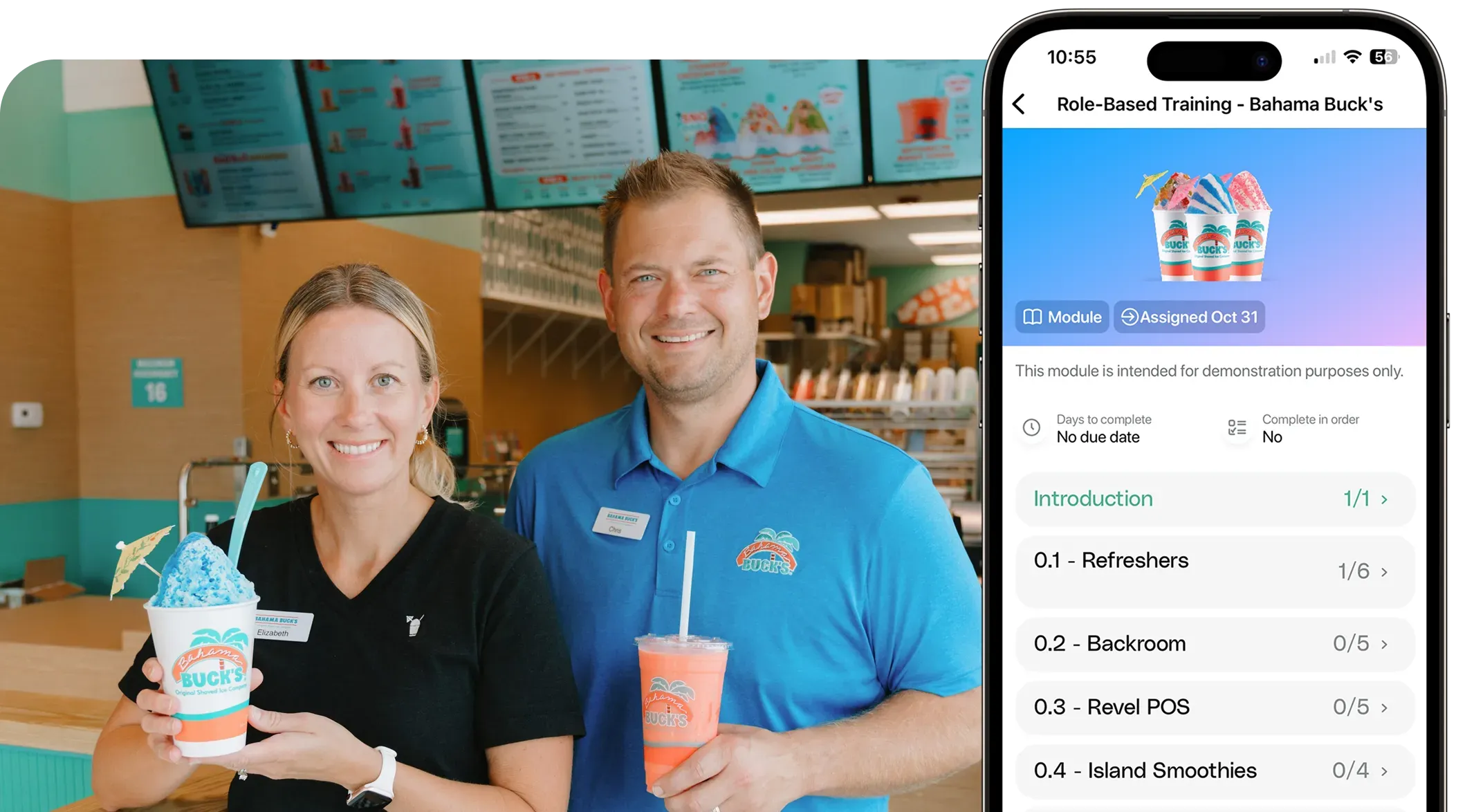
How Opus works for role-based training
One-size-fits all training wastes time and drives turnover. Opus delivers role-specific paths that get people productive in days and engaged for the long term, because training finally matches the work.
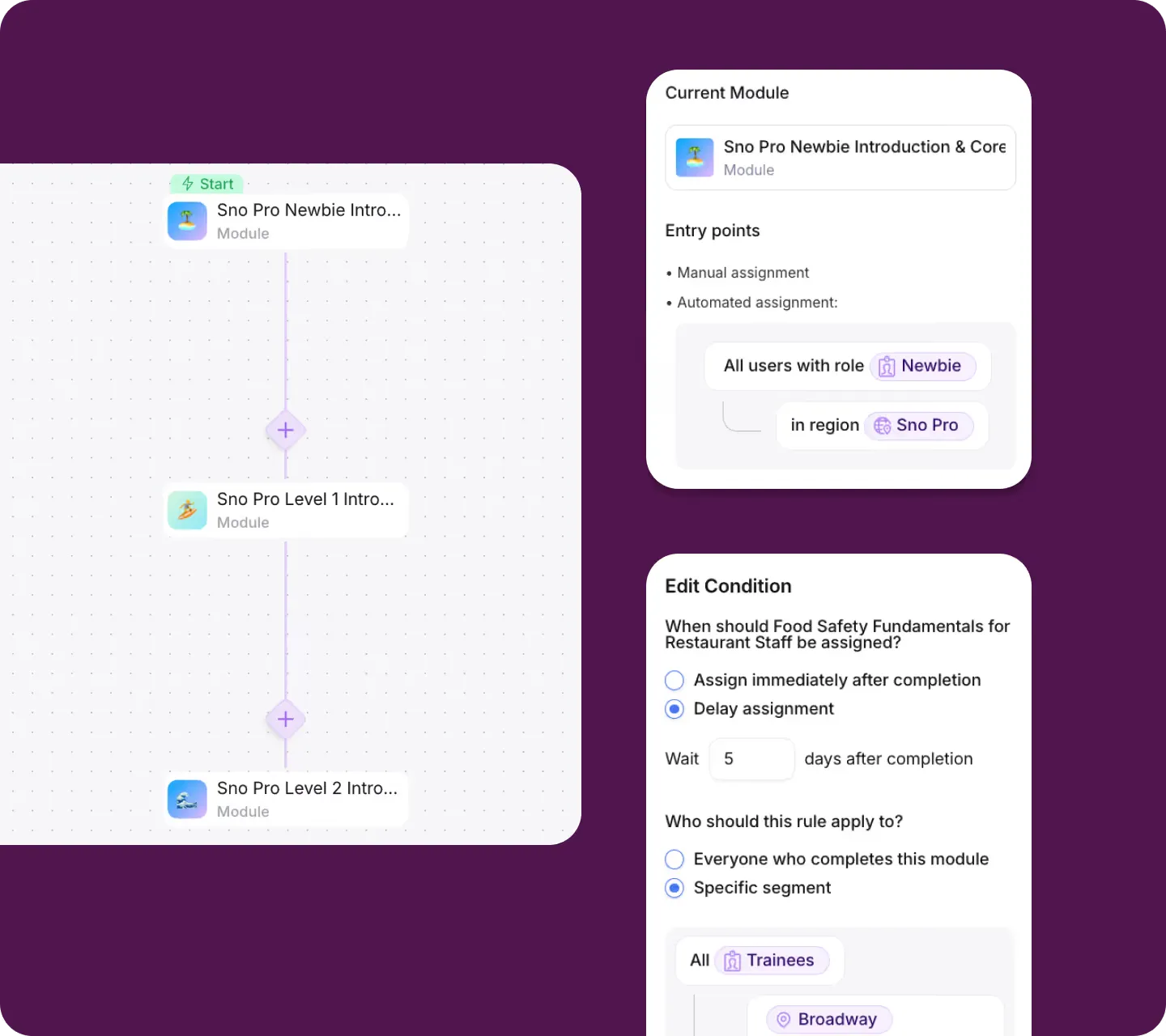
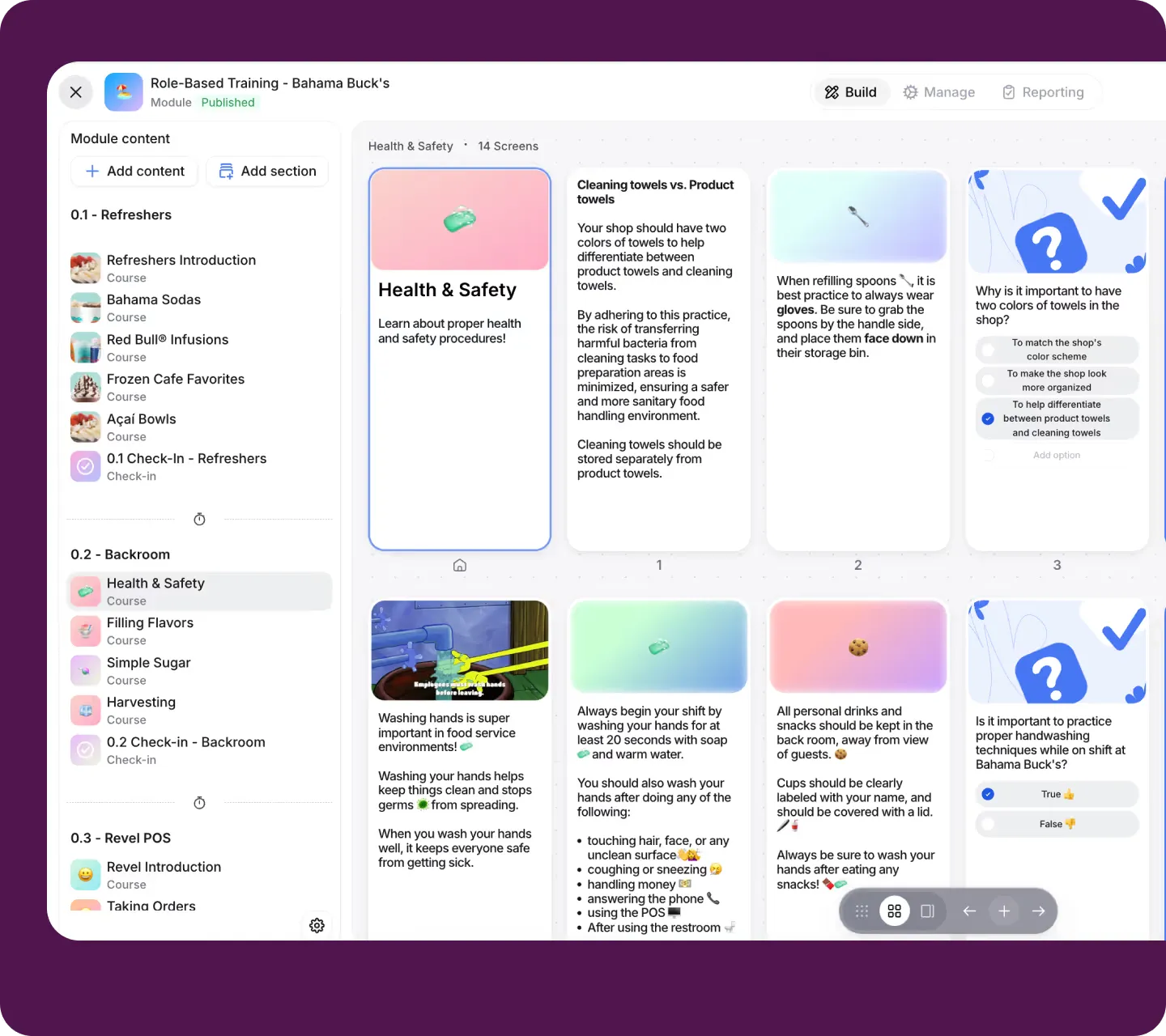
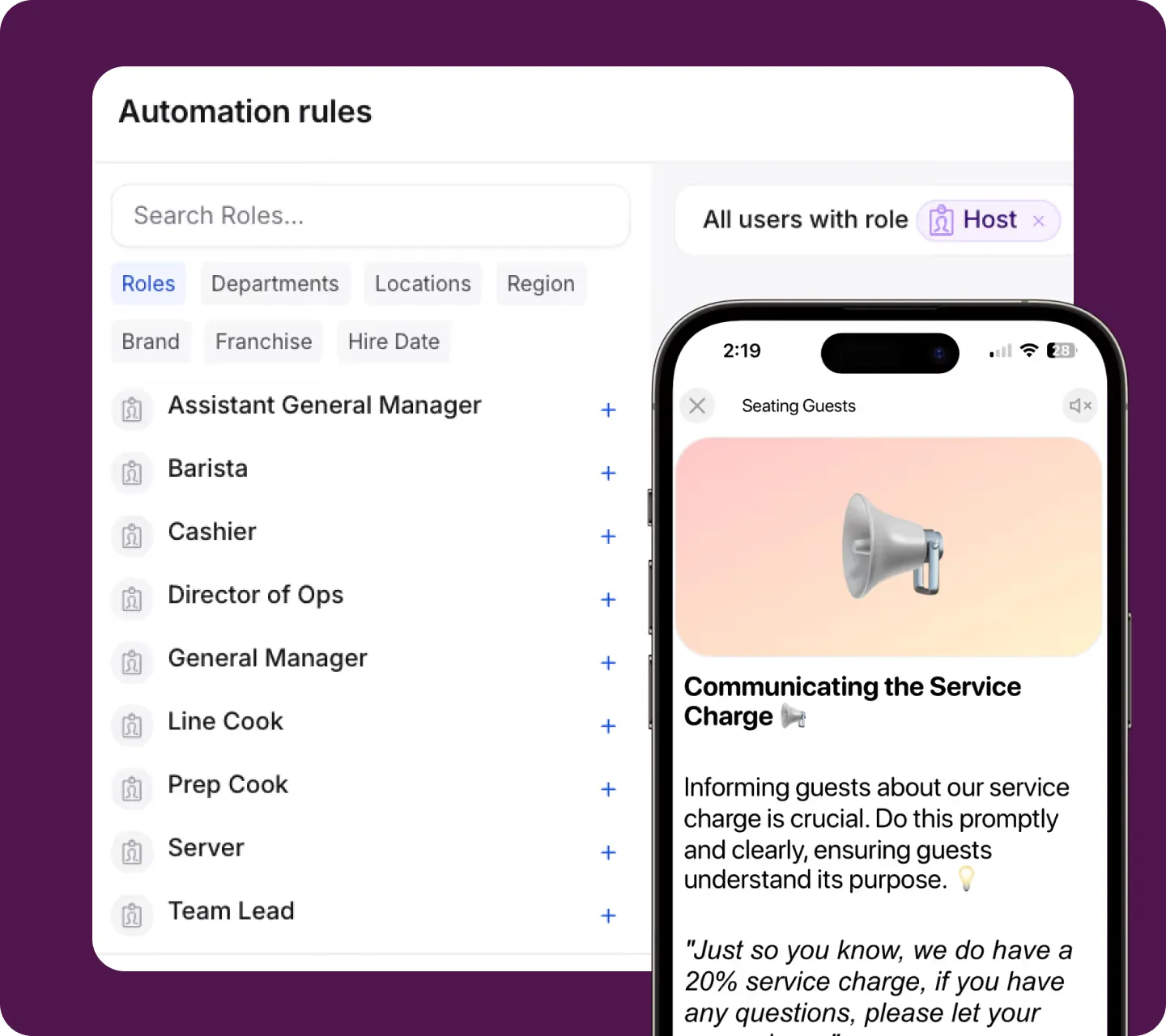
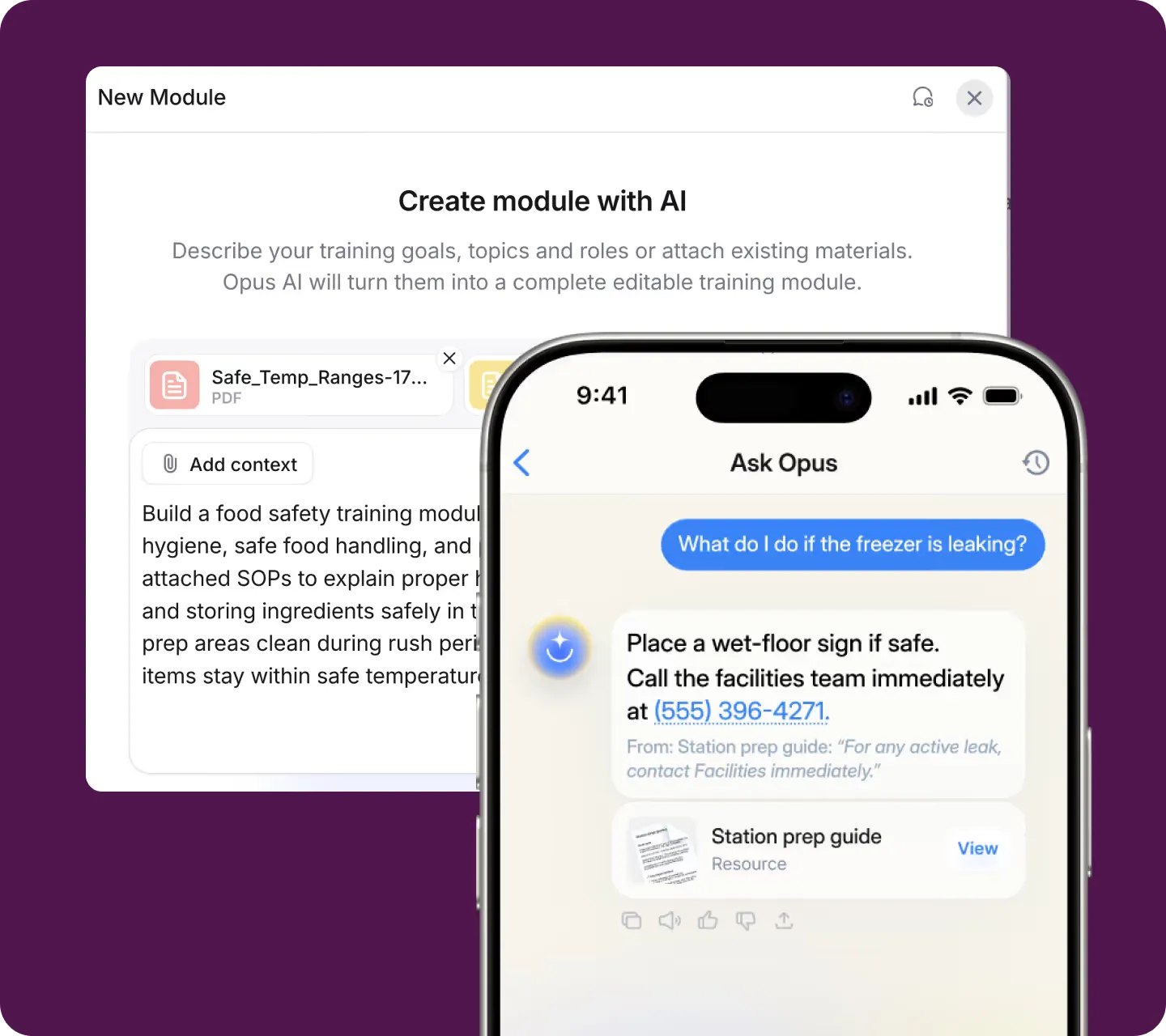
Built for how you operate
 Cross-TrainingThe Feinstein Group — Uses a shared host curriculum across brands, creating natural cross-training that lets staff move between restaurants with ease.See how they do it
 Sales and Service TrainingRising Tide Car Wash — Use Opus to build sales and service training for FOH staff, resulting in a membership upsell conversion increase from 5% to 18%See the training
 OnboardingBahama Buck's — Role-specific onboarding reduced new hire ramp time by 25%, with clear progression from crew through shift lead to managementRead their story
 blended learningBricktown Brewery — Combined universal onboarding with role-specific field training and in-person check-ins, creating a repeatable process that improved 90-day retention by 9%.Read their story
The complete training operations platform
Everything your team needs to train, work, and grow—in one place
Frequently asked questions
Can team members be assigned multiple roles?
Yes. Team members working multiple positions — like a shift lead who also trains as assistant manager — can have multiple active role paths. Opus reporting shows progress across all assignments, and you decide whether certain modules must be completed in sequence or can run simultaneously.
How do role-based paths work with our existing onboarding?
Role-based training often replaces or enhances existing onboarding. You might start everyone with a "Welcome to [Brand]" foundation covering culture, safety, and policies, then branch into position-specific modules. Bricktown Brewery uses this approach: digital foundation for all, then role-specific field training with manager-led check-ins. Read their story→
What happens when an employee changes roles or gets promoted?
Role changes automatically update training assignments. When someone moves into a new position—such as shift lead, opener, or a new department—Opus deploys the new role path and preserves their existing training history. This keeps transitions clean and gives managers clear visibility into who is prepared for added responsibilities.
What's the difference between role-based training and cross-training?
Role-based paths guide employees through their primary job, while cross-training adds modules for secondary positions they support. Opus makes content creation, training assignment, and progress reporting intuitive and simple for both of these use cases.
The Feinstein Group uses a cross-training approach across its restaurant concepts. Their teams complete a core host path, then take on additional modules when supporting other roles or locations, giving managers clear visibility into each employee’s proficiency across roles. Read their story →
How do check-ins fit into role-based training?
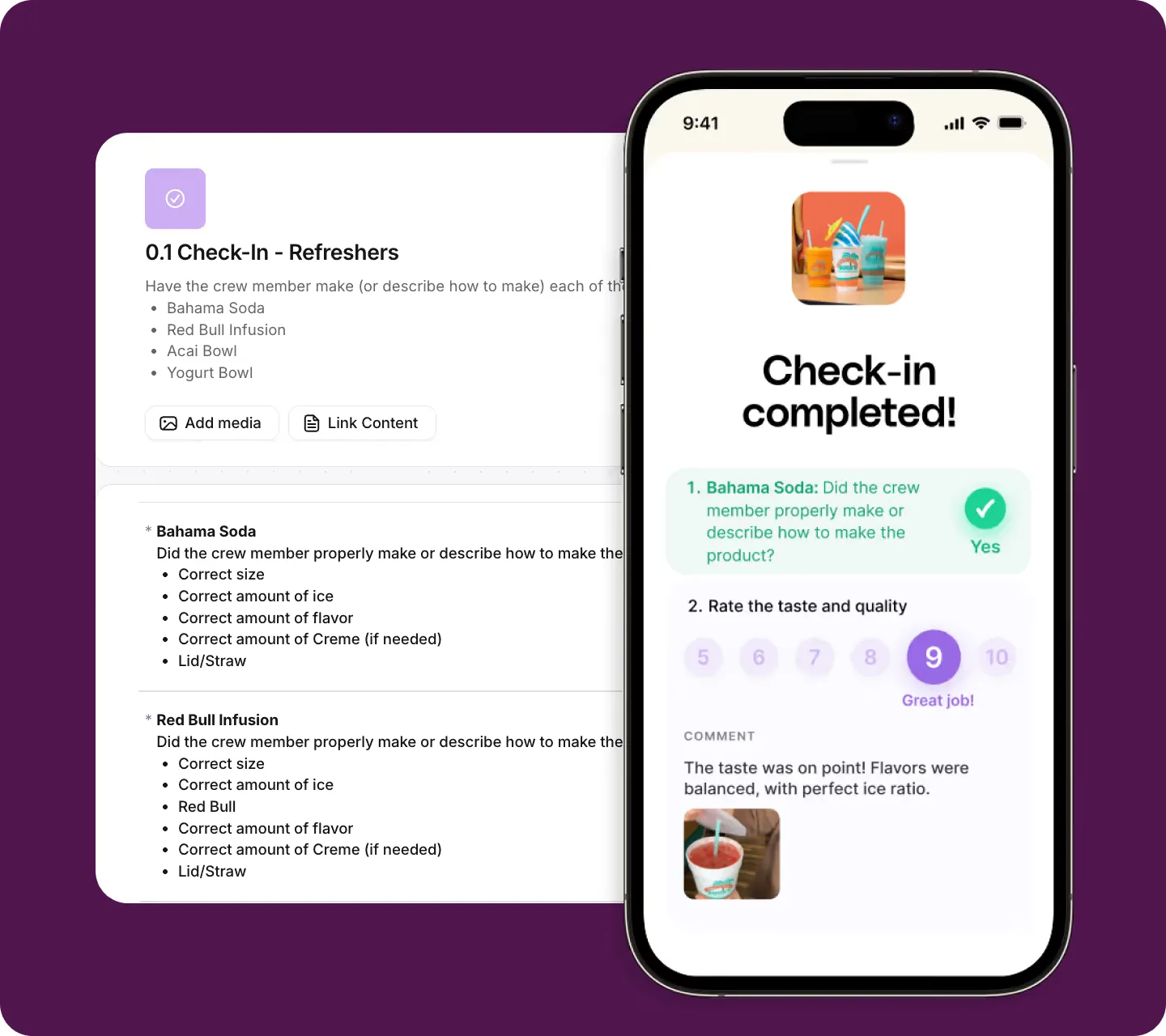
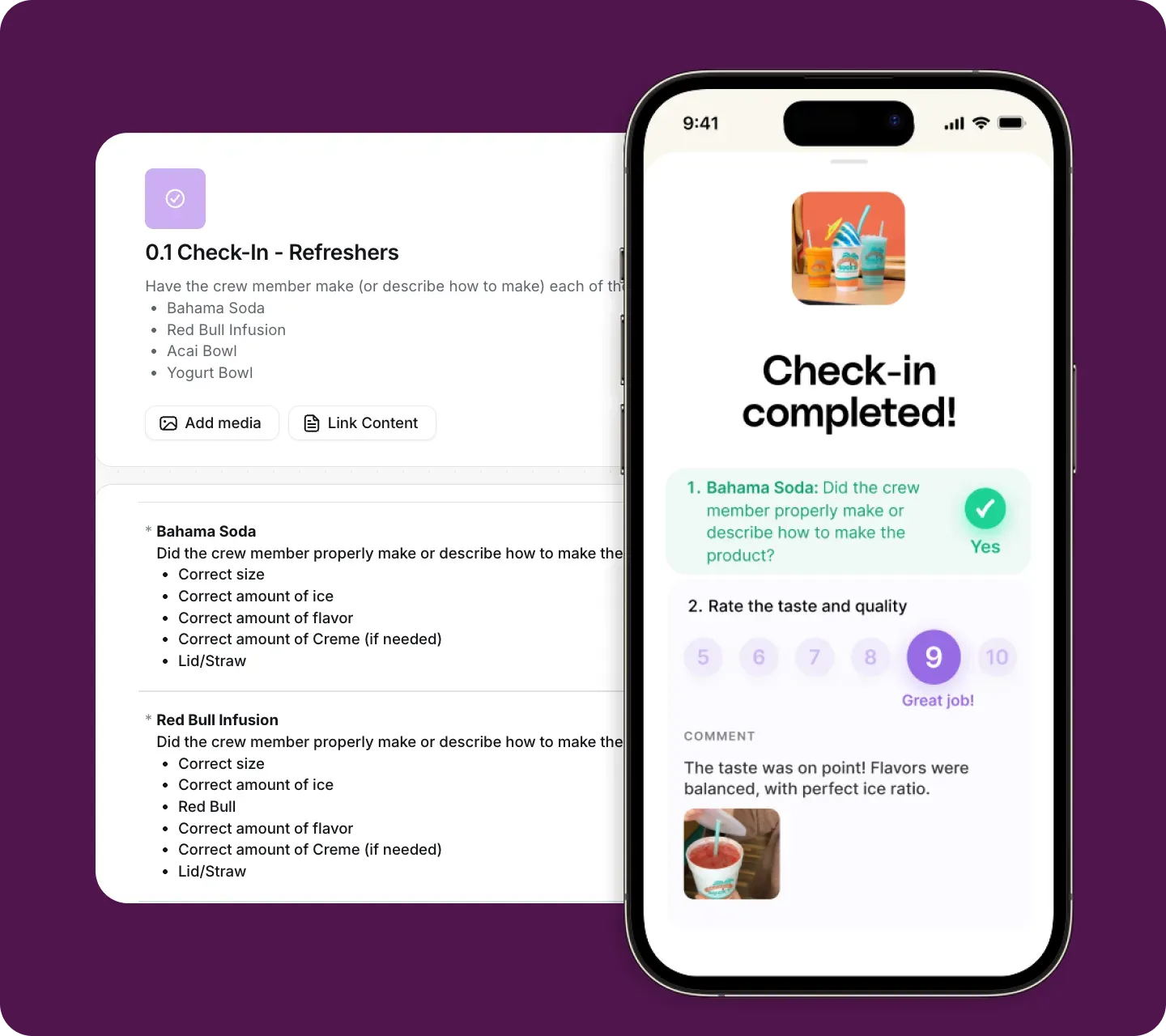
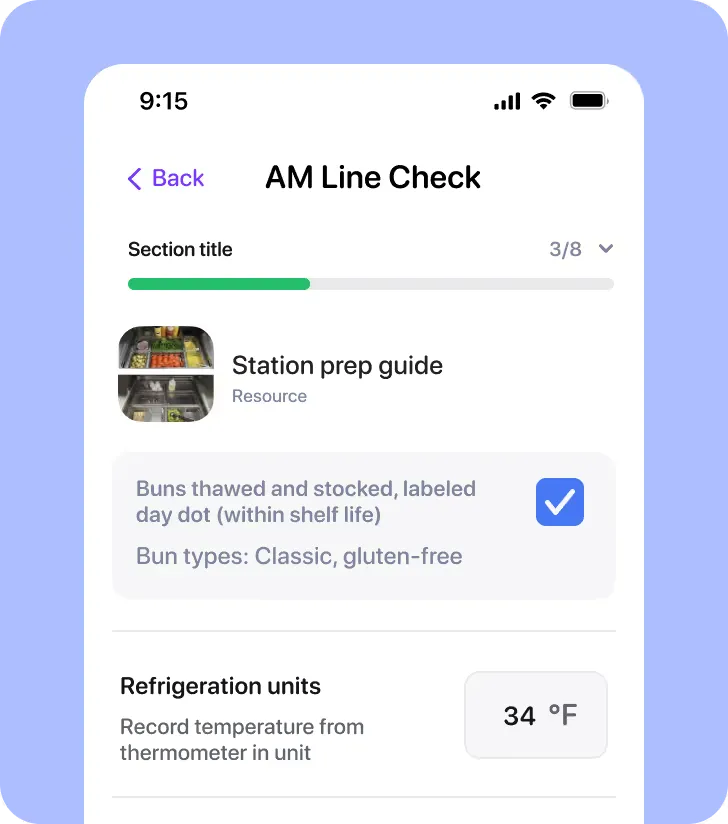
Check-ins can be built into each role path to validate skills on the floor. Managers observe the employee performing the task, mark pass or needs support, and confirm they are ready for the next level. This prevents “click-through” learning and gives leaders confidence that certified employees can handle real responsibilities.