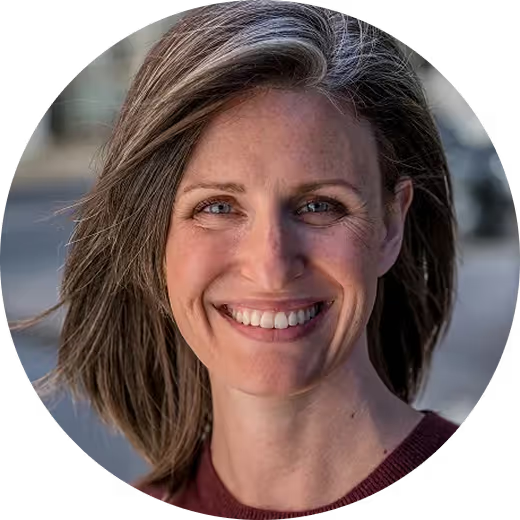
Rachael Nemeth:
Hi everyone, I'm Rachel Neim, CEO and co-founder of Opus Training. Today I'm sitting down with Neil Lamine, CEO of Shamine Hotels, Virginia's largest hotel operator. They have 76 properties acrosssix states and more than 3,000 associates. One of the things that you see on their website is a note fromNeil. It says, "Today, Shamine Hotels is a successful business, but at its core, it is and always will be about family, meaning both my own and the extended family. That includes every associate in this company." And I think that right there tells you so much about Neil, how he operates as an executive. You know, Shamine operates franchise properties under Hilton, Marriott, IHG, Hyatt, which means that he really isn't writing the brand promise. He's responsible for the 3,000 people who are delivering on that promise every day. And I think that is a people problem at scale. And it's exactly what we're here to talk about. So Neil, welcome to Back to Basics. So so nice to speak with you.
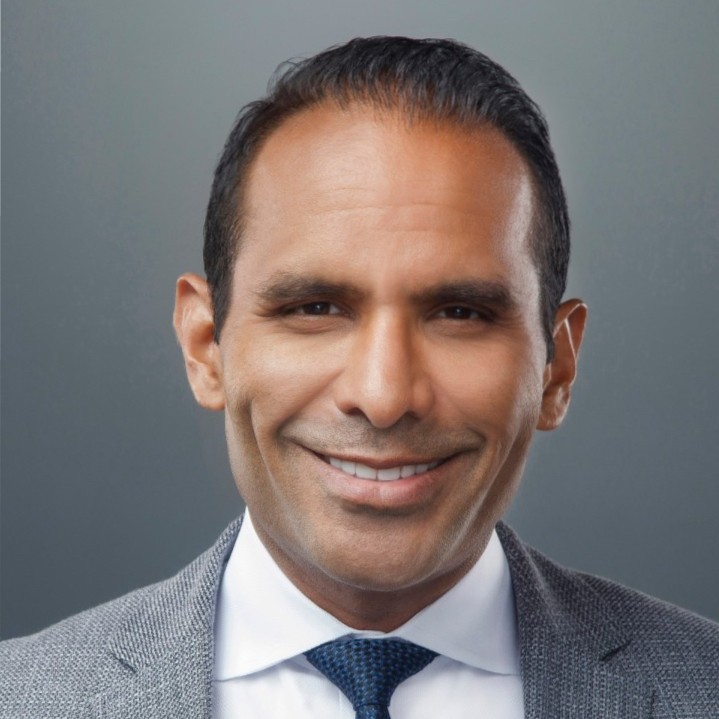
Neil Amin:
It's great to be here. Thanks for having me.
Rachael Nemeth:
Yeah, of course. Let's start with the the the basics. So you have this really interesting background. You went to Wharton. You spent time at Goldman Sachs advising tech companies. Then you came back to the family business. So like why what made you come back to Shim?
Neil Amin:
You know, in a lot of ways, I mean it sounds silly, but hospitality is in my blood. You know, I grew up living in motel. I did not live in a house until I was 13 years old. Um, so really until I was 13, I lived in motel and you know, my parents built a house when I was 13 and they still live there today. And you know, I've watched them really for decades just take care of guests and we were living in hotels. Associates were my babysitters. You know, a lot of times we had collegestudents who were studying and they were taking you were doing this as a side job and I got to know them and then then guests became my friends. you know, we had a restaurant and as a child I would eat there and and just make friends withguests. So, you know, over time, I didn't realize it at the time, but over time it molded me into who I am today, you know, and really just more of a people person who, you know, enjoys being around people and taking care of, you know, others around me. So, and then I also saw, you know, how this industry can really shapes people's lives. You know, I mean, again, the thing that we love about this industry, I'm sure you know this, is that you don't need, you know, a college degree to be successful in this industry, right? So, we've seen so many people that have come into this industry, you know, with a smile and and caring attitude and have become executives, right? And we talk about that over and over again at Shamine and it's just so powerful.
Rachael Nemeth:
Well, that journey there back into the world of hospitality, obviously you had deep roots in it already. You started by spending six years as CFO of Shimine before becoming CEO, which I think is a really interesting path. You know, I've talked to folks who are CMOs who grow into CEO and I think you bring such a unique perspective. When you made that transition, was there anything you realized in the numbers that had been missing moving from CFO to CEO and having a fresh perspective?
Neil Amin:
Yeah, you know, it's a great question because, you know, a lot of a lot of people that are new to the industry right now are just, you know, reaching out and trying to understand how to, you know, bring their bring the next generation in and, you know, what training they should get. And what I see a lot of people do is they start off in acquisitions and development. You know, that sounds fun, exciting, but I think that's probably not the best place to start. I think it's important to start as an operator, right? because you need to understand the business, how it makes money, the challenges, the challenges that your associate face, you know, what your guests demand before you can decide what to buy or build. And so that's when I started, you know, as CFO and one of the first things that I realized is that, you know, my father's a visionary, so smart and so intelligent, he just assumes that everybody knew what he knew. You know, so he would walk around to a hotel and say, "This is obvious. why aren't you doing this or don't you see this? I mean, he wouldn't say that. Yeah. But, you know, just be like, you know, it's common sense for him. It was common sense. And then I quickly realized that there's a little bit of disconnect. We have great people, but they need to be trained, right? And they need to be trained to think like he does, see what he does, right? And that's what I that's what I really started off doing in the first few years is creating tools, dashboards, procedures, so that way somebody who had no experience in this business could pick something up and become an excellent leader and learn the shimmy way. That was really my goal first initially.
Rachael Nemeth:
And I we're going to get into that franchise dynamic and the training dynamic here because I think it's so interesting especially with your particular operation. So I I want to come back to that. The the one kind of biting question I have just about you the human is you spent your entire career in kind of one industry largely at one company. Was there ever a moment where you have ever considered doing something seriously different?
Neil Amin:
Well, you know, I I definitely, you know, I I I was trained in finance and you know, so I definitely enjoyed that and you I enjoyed the thing I loved about working at Goldman is that, you know, it was so fastpaced. so transactional. You're meeting a new CEO every single day, right? And learning about their business and what their mode is and what their competitive advantage is. So, I I definitely, you know, admired that part of that job and I miss that sometimes. But, you know, what I've learned over the years, most recently, is that I feel that my team at Shamine can take on any industry. It's really about managing people, motivating them, and training them and creating a culture. I think we would have been just as successful in manufacturing or, you know, medical sales or because at the end of the day, it's just about creating that culture and and being able to to take your people to the next level. And so, you know, probably it's been it's been 40 years or really, I've been here 25 years. My parents started 40 years ago. We haven't done it yet, but we are we are seriously considering that. We did get into assisted living. So, we're trying to tiptoe into businesses that are similar to hospitality. Um, so we get into assisted living. It's funny, you know, now the hospital CEOs locally, they've seen how we provide, you know, hospitality to our guests and they've asked, can you help us think about our hospital rooms? Right. I mean, it shouldn't be institution. it should be, you know, warm and friendly and inviting just like a hotel room. So, we're looking at that like is there some things that we can do to help that industry. So, you know, it's a great question. I think as long as we're working with people, motivating them, you know, I think we can be successful and we may pursue something else.
Rachael Nemeth:
Um, you know, one thing that I'm curious about is whether the real edge here is less about the hospitality itself then and it's more just about your ability to turn your instincts into or anyone's instincts into, you know, repeatable training that help people learn that good judgment quickly because it's it's a lot of the janiqua in in hospitality. How much of that comes through at at the brand level? And I this is what I'm starting to kind of venture into is how much when you witness, oh, I have great people, but something's missing. How much was it the kind of service level of we have these kind of unseen, unspoken things that we do? And how much of it was the operational no, no, no, I have an SOP, you need to follow it. [laughter]
Neil Amin:
Well, I think you know people have to they have to have the drive and the commitment to take care of the guests, right? That's the first thing. So we always say we we can't teach leadership. We can't teach culture. And we have three core values at Shimine. They are to team up, to take ownership of the task at hand, no matter whatever it is. And to passionately serve not only our guests, but our fellow associates as well as our communities. And these core values were not created by me. We actually hired a consultant and and they went around and interviewed all of our associates and asked them what do you think Shamine represents to to yourself as well as to the external community and they came up with these three core values. So now you know that was probably maybe 15 years ago. Now we live and die by those core values. It it you know it's how we do evaluations. It's how we think about you know new projects. You know how we think about new initiatives like opus. That's the first thing that we do is look for somebody that has we call it core value aligned with us, right? They have to be core value aligned. We can teach them the business, right? And that's where, you know, the SOPs and the training tools and leading by example, following the golden rule, those are the tools that we have to get people from, you know, somebody who's not familiar with this industry to become an executive and a superstar.
Rachael Nemeth:
Okay, let's get into it. So you are a franchisee under multiple brand flags and which means that the brand sets the standard. So Marriott is setting the standard and then your team has to deliver that across all of the properties every single day. What does that actually require of you as a leader and what does that require of your managers every day to be doing and thinking and communicating?
Neil Amin:
Yeah, you know it's really interesting. I mean of course the brands are coming up with tools and you know policies and procedures to take care of the guests but you know we take it one step further right so we have you know the Hilton standards or the Marriott standards which are which are great they've done a great job but you know you can imagine there's thousands and thousands of hotels across the world right and so the standard that may make a lot of sense in one part of the world or one part of the country may not work in every single hotel that we have so we're very focused on that you unique experience, that tailored experience and also that shamine experience, right? So, we really believe about memorable experiences. We want to, you know, give people what they expect but then provide them a little bit more because that's how great hotels are made. It's really delivering things that are unexpected. And so, you know, we call it the shamine touch, right? To give them something that is unexpected, that touches them, that makes them remember the hotel. And that's what we really focus on when we talk about the shamine standards that are aside from the brand standards.
Rachael Nemeth:
What do can you give me a couple examples of the shamine touch?
Neil Amin:
So you we we definitely do it on design. So we take we take the design that's you know we have a required design but then we we we put some moments in there where the guests may not you know think that this would be uh seen in this type of hotel whether it's food and beverage or whether it's murals. You know we've done that a lot of times. We hire a local muralist and they put a nice mural. And then of course on the surface side, right? So it could be, you know, we've had, this is a true example, we had associates clear off the snow of cars overnight when it snowed and then when those guests went back in the morning, they were just blown away, right? Somebody would come out there in the middle of the night and clearing off the snow from their car. Yeah. So that's that's an example of the shamine touch. I call that making it nice.
Rachael Nemeth:
Okay. So, so I hear you on bringing that sort of extra level, that next level piece as I think as a franchisee really your competitors are running the same brands and the same rooms and the same loyalty programs. And so the only thing that I would imagine you can actually differentiate is is your people and your approach. So, how do you think about what makes your your operation different? Is it the people? Is it something else? And and I think if it is the people, how do you think about investing in them in order to kind of get them there?
Neil Amin:
It definitely is the people. And I'm not just saying that. And I'll tell you why. Because, you know, I always think about whether it's this business or any business, what is my competitive advantage, right? Why can I do this better than the next person? Like what's my moat? And for us a big part of that is that we are not driven by quarterly results. We don't have to, you know, answer to somebody, right? And so we are taking a very long view on every single thing that we do from where we invest in for new hotels, how we build hotels, if you think about it like how we design hotels. We want to make them easy to operate for our associates, right? We want to make it so that guests, you know, feel invited, you know, not just we're saving a penny here because we're going to flip the hotel a year from now, right? So, it starts even from when we build the hotel and then you you apply that of course to the people, right? We we actually probably prefer people that have no experience. We can train. Obviously, we employ all, you know, we employ all sorts of people. Some people have experience, some people don't. But what we found is that people that have experience, they've been trained to kind of meet those quarterly goals and, you know, it's it's a very corporate kind of philosophy, right? They have the corporate speak about, you know, making sure that they're not admitting to a mistake. And and and we tell them, look, we're not a gotcha company, right? We're all one team with the same mission, right? We have long-term goals. We're not going to solve every problem today. We all make mistakes, including myself. We want people to make mistakes. We want people to take risks because that's how we learn as a company, you know, and and then that's how we provide better guest service. And then what happens is over time, obviously, that energizes people, right? I mean, people then, you know, they think about new ideas. They think about new ways to take care of our guests. Our guests are happier, right? And then, of course, that just helps the company continue to grow and and continue to perform well. So, I think it's just taking that long-term view and then with that long-term view, being able to invest in our people and it's not just lip service. And I'll tell you, our senior executives have been with us over 25 years and started off as, you know, front desk clerks. And I'm not talking about one person, you know, I'm talking about many people. And so, you know, that's that's the proof in the pudding. and and you know I'm not I'm not you know I'm not handcuffing them to Shamine hotels you know I mean they can nothing's keeping them there
Rachael Nemeth:
and I wonder if if a lot of it is that you haven't sort of overcorporatized it you're a very large company and you're still it still feels like a family business and I think most operators at your scale if I'm not mistaken you haven't taken any outside capital while you've grown right correct yes that's correct and I think that's really remarkable Shamine has stayed familyowned and privately ely held throughout this whole period. What was really driving that decision? I'm sure you've had opportunities come your way, especially with your finance background. [laughter]
Neil Amin:
No, you know, I mean, definitely my father had that view that, you know, he's he he wanted to be able to control his own destiny, right? And I have to answer anyone and I have to explain himself because he does things differently in in a positive way, right? I mean, he takes a long-term view on things. He sees things differently. And so I think from the very beginning that was the that was kind of the thought but even after that you know we obviously recently and the last even the last 10 15 20 years we could take in capital but we've decided not to because you know again we we just want to be able to do things that help our associates our guests and our communities. One of the things that we're proud of at Shamine is that now we're in the stage we're transforming communities, right? We're we're choosing projects that really make a difference that others can't do. We're not picking the project that has the hard highest ROI, right? We could go out and build the same hotel a hundred times across the country and maybe that's easy and you know you can make a good return, but we're doing the opposite. We're taking on challenging projects, working with, you know, localities to solve the needs of their communities, revitalizing communities. And I and I think and I hope and I believe that our associates are proud to be part of that.
Rachael Nemeth:
How does that differ from, you know, maybe you can kind of educate our listeners. So, how are you transforming communities versus what, I don't know, you know, big box [laughter] um hotel operators would be doing? not necessarily what's driving the decision but what is the the outcome of that.
Neil Amin:
Yeah. I mean so the classic example is that we are looking at areas that um you know that that you know maybe maybe have have you know not got as much attention recently. So you think about indoor malls right that you know have lost favor and you know and that community does not want an eyesore there right? So, one of the things that we did is, you know, we purchased an indoor mall and we ended up revitalizing that. We built two hotels, two restaurants, and you know, that's that's a very successful project. Yeah. And then we also one of our localities uh they needed a full-ervice conference center hotel, you know, because they don't have a place to hold, you know, state of the county graduations, you know, very large marquee events. That's a very challenging endeavor, right? whether it's in Virginia or anywhere in the country these days to build a big full-ervice conference hotel and you know we took on that challenge and and that hotel is under construction right now and I think everybody is just extremely excited about it you know it's and and not only our assoc but even Hilton it's a Hilton branded hotel and you know I think they're very excited to see kind of the next phase of Hilton in that project I
Rachael Nemeth:
I wanted to to clarify something with you so yes when we started this conversation, I use the term properties. I've noticed that you're saying localities. Is that a a different term than a property? Is it something that you So, I'm sorry.
Neil Amin:
What I mean by locality, I mean like the the city. Okay. The city itself. Yeah.
Rachael Nemeth:
Um Okay. So, so let's talk a little bit about you. We we've sort of had the zoomed out version of Shimine, but when you are actually walking around a property unannounced, Neil, what are you actually looking for? What are you listening for?
Neil Amin:
The first thing I do is I look and see what our associates are doing. Are they stretch too thin? That is by far the first thing I do is observe. Are they able to meet the guest needs, you know, or do they need more support? and not just not just you know at the front door but back of housekeeping you know walk around everywhere talk to them you know what what is a challenge like an example like we I met a room attendant who is a you know a room attendant that works on the fifth floor of one of our hotels and she told me that my cart is always housed on the second floor so every day when I come in I have to go and get my cart on the second floor I have to wait for the elevator and then bring it up and then at the end of the day take it down and if there was a spot on the fifth floor where I could store it that would save me a lot of time and effort you know why do we have to store all of them on the second so that's what I do when I go to hotels is I listen to my associates because I get some of my best ideas when I talk to these associates at hotels they see things that we don't see right they they know the workflow they know what guests require what what makes guests happy and what irritates guests and then we take that back.
Rachael Nemeth:
I mean, a lot of what I'm hearing, Neil, is that your edge is really operational empathy. It's not just brand standards. Oh, yeah. You know, and and I think that's so unique to you all. I I talk to operators every day and I I I candidly like I'm not confident that that's how most operators are walking into their their facilities. Uh I think that a lot of operators are are walking in and they're saying, "How can I get more out of my people?" which is also a reasonable ask too in certain environments. But it's interesting that you're coming in and you're saying, "Are my people stretched too thin?" Because knowing that that's going to the the guest experience is going to be sacrificed uh if we don't, you know, focus on that. Here's where I want to dig in with you even more is, you know, you became CEO in 2008, I think, right into the recession. Yes. uh which meant your first years leaning for the comp through the company were really defined by the worst economic downturns hospitality has ever seen absent of co so what did that period teach you about yourself as a leader
Neil Amin:
you know it's a great question the first thing that we did was just move into the hotels you know not just myself my wife it's it's an interesting story I got married in 2008 so joined. Yeah. And I said, "Welcome to the industry, [laughter] you know." So, she uh she worked at uh we just o opened a full service Hilton, our largest project ever. And so, she worked in that office and, you know, helped with marketing and accounting and so, you know, and I did the same thing. you know, we all we kind of split duties and and just really rolled up our sleeves and just, you know, supported the associates, tried to think creativity about how we can bring business into these hotels and how we can differentiate ourselves, you know, and I think I think people appreciate that. It's not just me. uh whole team, whole senior leadership did that, you know, and and I'll tell you that hotel that opened at that time, that Full Service Hilton is probably our most successful hotel today because it was set up properly. The culture was set up in that way of pitching in, working as a team, you know, taking care of each other.
Rachael Nemeth:
Sure. Um, you know, you I had mentioned this before, you know, front and center on your website it says every associate's equal and that leadership should never ask someone to do something that, you know, they wouldn't do themselves, which is a lot of what you're just you've been describing. Um, I think the the lingering question for me is how do you maintain that at scale now across 76 properties? [laughter]
Neil Amin:
I mean we're very strict on I'll tell you an example like I I don't we don't none of us work remotely even during the pandemic we only probably for two weeks when there was a you know concern about really like the scare of the virus did we not come into the office because my associates and my hotel leaders have to come in they can't work remote I think it's just it doesn't make sense to me when we corporate asks people to come in and then they work remote right so like that That was number one. Number two, I dress like this every day, you know, and a lot of people maybe ridicule me for that sometimes, you know, [laughter and gasps] but you know, my general managers at our hotels, they have to they have to dress up too, right? So, that's what's, you know, important to me. Um, you know, to do that.
Rachael Nemeth:
So, um, well, let's actually move on to to my last two questions, which is, um, you you and I, Matt, when you were evaluating Opus as a potential training platform for for your workforce, what was Shamine trying to solve for when you started to look at how you train people? What was the problem to solve there?
Neil Amin:
Sure. It's a great question and you know we really have spent a lot of time trying to think about what LMS tool we'd want and we value it a lot and you know I was really amazed with what you've created at Opus you know the challenges that we were facing there were so many and I think Opus really tackled all of them one was career mapping right that was very important for us right to be able to show our people that we're not just providing a job but a career we're not hiring you as a room attendant but we're hiring you to have a career in hospitality and And obviously Opus does that so well, right? So that that was number one. Number two, you know, a minor one is actual communication with our frontline associates, right? If you think about it right now, I have to maybe email them if I have their email address. Not everybody has email in this industry. So having a 100% mobile friendly app is priceless, you know, and and that's been extremely valuable. Then of course the ease of training, you know, being able to create training easily is very important. We're not an IT company, right? Our leaders, you know, they're not they're not experts at, you know, creating YouTube videos and training modules. And so being able to, you know, use AI and create those really quick training modules, I think was very important. Um, and then just, you know, standardizing the process around training, right? I mean having the shamine SOPs being able to utilize you know AI to search through our whole database of SOPs is is very important. We have we have binders and binders of SOPs that nobody has looked at you know and now when we upload them into Opus everybody can access them. The last thing is really just self-training, right? Training on your own pace versus having a team of HR business partners out there trying to train associates now is training on your own pace.
Rachael Nemeth:
I love that last piece. I feel like it's so misunderstood in the training space in general that asynchronous learning is so powerful. So, so you know, let's think ahead a little bit, Neil. you know, at some point you're going to hand this business to someone else. Um, how do you think about that next phase of Shamine and and in the context of succession planning? Sure. But also just the the next chapter of Shamine, is that something that you're you're thinking about now?
Neil Amin:
It is, but I'll say this and I and I say this all the time. Shamine does not need me. This company is so strong with such a solid foundation of so many people who are passionate about what we do that I'm just here to to help, you know, where I can, you know, and uh, you know, like I said, our people know our guests the best. They know what the guests need and they support one another without me being involved. I don't have to tell people what to do. they're just they they anticipate what needs to be done in this company and they solve problems and that's really why it's so successful you know I think it's um you know we definitely will have another leader that will come in but you know I think this company will continue to progress without me as well well and
Rachael Nemeth:
I think what stands out to me is that your real note is not you know even the assets but the fact that you've just built the system where frontline judgment gets stronger as you scale and the thread I keep hearing is that you're not using training to enforce compliance alone. You're using it to teach people how to see, which is a very different kind of operating model. And it's rare for me to hear someone, a CEO no less, say, "Listen, like this place can actually run without me." And it's such a a mark of the success of like the level of hospitality that you all bring. We're gonna finish up with a lightning round, Neil. I these are hard fast questions. Keep it brief. Leave people in in pure mystery about yourself. Um I'm going to rattle them off. Uh so first question, what was your first job?
Neil Amin:
Circuit City salesperson.
Rachael Nemeth:
What's the hospitality trend that you're completely over?
Neil Amin:
Beastro in hotels. [laughter]
Rachael Nemeth:
What's the last book you read?
Neil Amin:
Lincoln.
Rachael Nemeth:
Best hotel stay you've had in the last year that wasn't one of yours?
Neil Amin:
Click clack media in Colia.
Rachael Nemeth:
Okay, cool. Um, what are you going back to basics on personally right now?
Neil Amin:
Incorporating long runs in running.
Rachael Nemeth:
And if you could give your 25-year-old self one piece of advice, what would it be?
Neil Amin:
We have long careers. Take the first 10 years to learn as much as possible. Dive into trenches in every area. construction, maintenance, culinary, whatever industry you're in. Just dive into the trenches.
Rachael Nemeth:
What's a hotel or hospitality operator that really inspires you right now?
Neil Amin:
Wow, that's a great question. Um, you know, I think really Four Seasons does it very well. You know, I mean, they manage their own hotels and, you know, I think that just like us, you know, we manage our own hotels. I think that enables them to take a different view on things, a long-term view and really protect that brand integrity. I don't see them wavering or, you know, moving away from what their core philosophy is, you know.
Rachael Nemeth:
So then, who should we be talking to next? Who should be my next interviewee?
Neil Amin:
Oh gosh. Um, you know, I I can get you a list in terms of clients for sure. But I mean, honestly, yeah. No, I mean I think um the large companies are there. Crestline, Crescent, those are some big companies that I think have done really well. Hi hotels is another big one he's done well but I think you should talk to Hilton directly you know Marriott directly you know because they're trying to figure this out as well so there could be a way to you know partner with the brands directly
Rachael Nemeth:
yeah makes a lot of sense well um Neil such a pleasure to see you and thank you so much for your time today thank you so much it's my honor thank you









_logo.svg.svg)