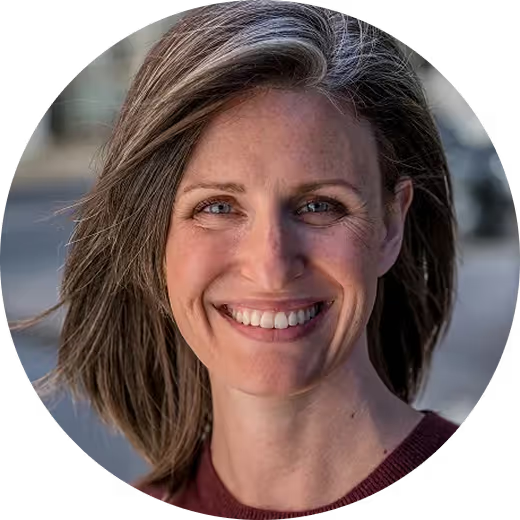
Rachael Nemeth:
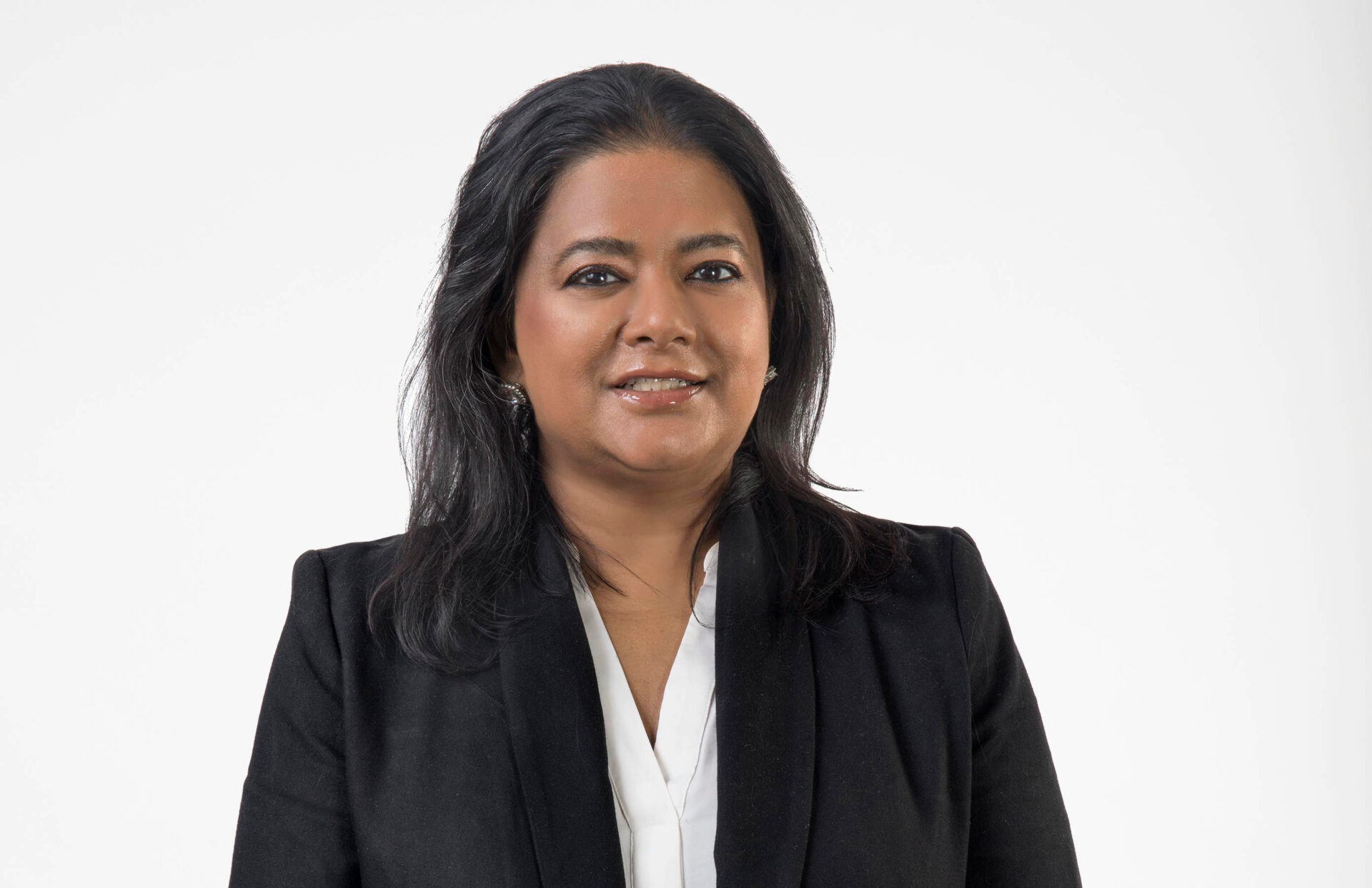
Hi everyone, I'm Rachael Nemeth, CEO and co-founder of Opus Training. Today I'm sitting down with Michelle, Chief People Officer at Paris Baguette North America. Michelle has over 25 years of experience in HR, people leadership, and she's taken one of the most complex problems in the industry, which is how do you develop people, protect a brand's culture, and drive performance when most people, most of the people delivering your guest experience don't even work for you. So Paris Baguette is franchise first if you haven't guessed already, scaling very fast toward a thousand locations and she's right in the middle of it all. Welcome to Back to Basics, Michelle.
Michelle Jagroop:
Thank you, Rachael. Good to be here.
Rachael Nemeth:
so Michelle, I think what is most kind of burning for me is how did you get here? You've led people in retail, in entertainment, and now QSR. So how did you end up at Paris Baguette?
Michelle Jagroop:
The short version of that story is uh Darren Tipton, our CEO, him and I worked together at what's now called Lucky Strike. At that time it was called Bowlmor AMF. Uh and that's where we met. And you know, no one ever believes us when we say this, but we worked only together for about three months before he ended up leaving and going into a role at Le Pain Quotidien. But he kept in touch with me and had said to me always, you know, when I have an opportunity to work with you again and to have you support me in a in a different role or different place, you know, I'll take you with me. And I kind of took it for with a grain of salt. I was like, "Yeah, I'll never hear from this guy again." [laughter] But he did keep in touch with me. And then when he got recruited or started being spoken to about this opportunity at Paris Baguette had mentioned to me the opportunity to lead HR here and would I be interested and you know of course the answer was yes and really predominantly it was to be able to work with Darren again. we were so aligned from a business and HR perspective and the way that we viewed people that I really wanted to work with him again. So that's a short version of how I ended up here really because of of Darren you know and and wanting to again be a part of what his leadership and vision looks like in an organization.
Rachael Nemeth:
Well I mean and I believe it Darren is an exceptional leader and you guys complement each other so well. Going back to your origin story you got your start in retail. You were at Macy's, Liz Claiborne, and then you moved through entertainment into QSR. So I think the the question is what did you have to unlearn when you moved into either QSR or franchise as a people leader?
Michelle Jagroop:
I'd like to say I don't think of anything as being unlearned. I think like every experience really kind of builds upon being able to take it and maybe change it around. Kind of take what you've learned somewhere else and be able to adjust it to what you need to do. So I I don't really look at it as unlearning. I think what was surprisingly similar also that I when I when I moved, you know, making my move from fashion retail into into entertainment was a huge move for me at that point. I'd been in fashion retail HR for almost close to 15 years around 15 years. And so it was a big it was a big jump. It was a you know and I love fashion for anybody who meets me and knows me. I I just love fashion. and I love love the industry. I loved everything about it. And so it was a a pretty big move. But at that point, retail fashion had not been doing well. I was at Macy's and you know, they were struggling as well to try to figure out how to turn the brand around. And so when I got called by a recruiter for the Bowlmor AMF role, it it seemed like a good time to be able to look at other opportunities. So, I think part of it was timing the that industry and how it was trending and being able to say like I don't really want to be pigeonholed either into like one industry where that's all I I knew. So, it pretty much worked out for me really well to cross over. And like I I started saying, I think for me it was surprisingly similar. I It's about people, you know, it's always about people and it's about sales revenue driving a guest experience. So all of those things remained pretty constant in you know what I always felt my role was in supporting the business through people. So I think it was more similar than dissimilar. if I had to unlearn anything I would say the big thing for me that also helped me prepare for this role was going from public companies to private companies. the different lens in which I have looked at HR when you work for a public company and then when you when you're working for an owner a founder I think it it is different you know the lens in which I feel like and again this was many years ago you know the HR philosophy in public companies is very much about protecting the company it's a risk management type role limiting liability for the company making sure you're very buttoned up and really more black and white than I I feel like it is in had been in entertainment and and then in food and beverage. But I do think a part of that is the whole public versus private piece where you seem to have a little bit more flexibility in in doing things a little bit differently which in some ways for me was a was a learning that was good for me. You know, I learned how to look at people I think a little bit more individually than just first approaching things from a policy. And I feel like that's really defined, you know, our culture here at Paris Baguette. It's defined who I am as a leader and how I influence other leaders in our organization about really thinking about people first. I'd like to say I always had that lens, but not to the degree that I feel like I do now, which some of it may be the industry, some of it may be the leadership, some of it maybe my own growth, but but I I certainly look at it much differently than I think I did when I worked in fashion retail where it was very very buttoned up and black and white and you had to follow the policy and you know, if you didn't follow the policy and hold everyone accountable to that policy the same way, it just created it seemed like it the the message was it would create too much risk for that organization.
Rachael Nemeth:
I love the people first mentality. I want to come back to that and I also like your point about that it's less about unlearning and it's more just about adapting from industry to industry or business type to business type. I also wonder if franchise adds a different layer because you're leading through operators and local leaders not just inside one company. So what had to change in how you build trust and consistency with those managers?
Michelle Jagroop:
I think again it is more of the similar versus dissimilar. I think about, you know, I worked for really large retail organizations when I worked in fashion, right? Macy's, Liz Claiborne, Phillips-Van Heusen. For the majority of my career, I supported retail and I'd always supported these large organizations that had big retail populations where your direct influence was very minute, you know, like I I wasn't in every store. I wasn't talking to every associate. I see that as kind of like the the similarity of franchise is that until you asked that question I really never connected this dot but it's true you know there is a similarity between you know leading through district managers regional managers different levels of VPs to be able to get your ground level team members to be able to do the things that you're talking about that we need to do so I think in some ways like I had had this experience of leading through leaders to be able to get some of that work done. and that's exactly what we do now. You know, it's really leading through our DMs right now, our our franchise GMs who come through training with our team. I oversee training as well. And we've really built a very robust GM training program that continues to evolve. And so we're doing it through different people, but it's a very similar skill set, mindset where you have to think, how do I help you learn something that then you're going to translate into who you want to be as a leader really is what it comes down to. And so I think really trying to remember that that's what we're doing. We just came out of a national DM meeting. We do quarterly business reviews and we've been talking about this. I've I've been really trying to help our operators see this is that for every opportunity that we talk about in the business, you know, whether it's the store, you know, has an opportunity with cleanliness or we're not as consistent as we want to be with guest service and having a welcoming experience, it all comes back to the conversation around the people. Do we have the right people? Are you helping teach your people the right things? you know, like how do I hold you accountable to something that I never taught you how to do or what our expectation is. I mean, saying hello to someone's pretty standard, but if we don't make it, this is a non-negotiable expectation for you to work here, then you kind of go about your day feeling like that's something I could choose to do or not do. So, you know, we have a responsibility, I think, to make sure we have the right people, which means hiring the right people, teaching and learning with those right people. and if you're not the right person, what do we do to exit you from the company? And our mindset should really be like, you shouldn't be allowed to work here if you can't, you know, come along with what we want you to do. So, I see all of that as like how do we continue to to teach that to the people who are at the forefront of those conversations, which are really for us, our DMs, our DPMs, and also our GMs and owners whenever we have the chance, which we have our convention coming up, which will be great for us to be able to share some of this messaging.
Rachael Nemeth:
Well, and I think what I'm hearing is it's it's really that indirect leadership that's really where scale comes in. Like you're not just developing one leader, you're really shaping how leadership shows up through the entire system. I'd be curious how you think about measuring whether that is actually cascading well down to the store level beyond just for example very specifically in the context of training completion. but even beyond that to how do you know that even your hiring you know preferences and practices are cascading down what are is it is it measured is it is it through these conferences what are the leading indicators that it's working you know
Michelle Jagroop:
It's definitely guest service scores and feed I think that that's our number one way of is a bit of a lag indicator for what we're talking about because at the point that we hear some feedback back. That's an opportunity. It's the negative experience has happened with that guest, right? So like you in some ways you're you're kind of working a little bit backwards but it also is a fact for us to say well you know if that person is having this experience and it's validated because that's the other thing you know everyone there's two sides to every story and you know the guests who sometimes write in their version of how they experienced it or what they felt happened and we want to make sure we hear from our cafes or franchise partners about what they see happened or what their team saying or what's validated in video depending on you know they have that But but if if it is valid and this is what's happening for us, it's a flag to say, well, you know, if it's about, let's just say it's about a welcoming experience or a negative kind of interaction where someone's looking for you to give them I bought a drink and I'm like, I this drink doesn't taste the way I thought it would. Could you remake it for me? It's not hot enough. Literally, I could be reading a a review right now and you know, and they'll say like, no, that's how it is. That sorry, there's no refunds. And that's obviously not what our philosophy is, what the team member should be doing. But the first thing I think of is where is this person in the line of where you see them franchise owner or GM in in that trajectory of like they them belonging to your organization and also to our brand. Are you performance managing them? Have you seen that? Have they taken the trainings? You know, have they been through orientation? Do they know what they're supposed to do? are you holding them accountable to what they're supposed to be doing? And then if you aren't, why not? And for us, you know, I'm if if anybody who knows me knows I'm very big on joint employers, so I think about that every which way. But I I do think, you know, we're talking more and more about our brand and maintaining the consistency of our brand and our brand values and aligning to our mission and vision. And it's important that our franchises have people who can emulate that and that we help them understand where the gap is. So, if you're not seeing it, how do we help you with that conversation that maybe this team member is not really aligned to our mission, vision, and values, and you know, you have to be able to figure out what you're going to do about that. Either you're going to retrain them or make sure you're you're coaching them, but it can't continue to happen. And so, I think we've gotten way better at like those conversations with our owners so that we're all aligned on what they should be expecting from their team. And so I know it's a long way of answering your question, but I think it comes back to the guest feedback and what we're hearing is happening in in locations. And then proactively, I think a a very recent conversation has been around our DMs. How are you also paying attention to people? You know, I think their lens is so, you know, it's so tactically operational. You know, what do I see when I walk in? and and we we've implemented something around looking at the first thing you do when you walk in is really looking at the cafe as you would a guest. Like don't think about your role like what if you were visiting you know some other brand what would you see like what are the things you see as a guest which I think has been very eye opening for for some of our DMs to shift a lens of like walking in and kind of looking at it from a different angle. And then I think the more recent mind shift that we've asked them to make is really thinking about people. Like who are the people that are there? You know, I have an expression that people have heard me say. I I always say like does somebody look like you kidnapped them and forced them to work there? Because if that's the case, they really shouldn't be there. it's at will in every state pretty much to work. and so people should look like you're engaged and you're pretty much happy. I mean, we are selling sugar, right? It should be a a fun kind of environment to be in. So, you know, I think it's that it's like paying attention to people because at the end of every opportunity or at the beginning of every opportunity, it's a person that's there that's either doing something really well or not doing something really well. And if we could figure out how to align people on doing the things that we want them to get done, even something as simple as, you know, that welcoming experience when you walk in where you feel like they really want me to be here. I feel like it, we talk about this a lot as an organization. Darren says it, it really changes where we are in the organization. We have amazing product that no one can really compete with, even though there are some people that try, but the differentiator really becomes what is that experience when you walk into one of our cafes.
Rachael Nemeth:
You're talking a lot about people standards and really throughout the employee life cycle. In a minute, I'm going to want to dig in just on people development in general, but I think one question that our listeners probably have is when a franchisee is underperforming specifically on the people side, what do you actually do? Is it a retraining? Is it a coaching? Or is it something deeper? And maybe just another way to frame it is the opposite which is like what's an avoidable franchise people ops mistake that you see on repeat? Is it more I'm hearing some hiring but I'm hearing some other things too.
Michelle Jagroop:
I think at the core of it is that we have and this is probably in every franchise organization you know they are at the forefront business people right like they're they're investing in a business it's entrepreneurial they're looking at it and also a lot of the majority of our owners now are like I love Paris Baguette I love the product I love this brand I really want to be a part of it but they don't have the infrastructure and sometimes the the skills for a team like they don't have HR, they don't have a learning person, you know, so they don't have this expertise around people that you tend to see in in a corporate organization. So, I think that is probably the biggest gap that that I believe we're trying to solve for. How do we give you tools and training and advice in some cases about people and people's standards and risks that relate to people that help you be better at this? So, one example is you know, we I I do a lot of con conferences. I do a lot of I've been it was a goal I made for myself a couple of years ago to just kind of be out there a little bit more and not just at my desk working and it's been great for me because I've been able to meet I mean we met you through Josh I think but I probably would have met you at one of these conferences. Uh but you know there's a platform called Workshield and what they do is I don't know if you've I think you've met them or heard of them. I conference you've been at and that's a I think a great example of finding a partner that's really impactful for some opportunities that our franchises have. And this one in particular is around when someone makes a claim around it has to be a Title VII claim which is harassment, discrimination, hostile work environment, one of those types of of claims and they will do the investigation for the franchise owner. That is a huge gap that's missing in in really franchising, right? They don't have that expertise. even if they have an attorney that they work with, it tends to be a real estate attorney or a contract attorney, not an employment law attorney, which is a very different ballgame when you're talking about employment law. And as much as probably a real estate attorney could try to wing it, I I don't know if that's your best defense. So, I feel like this is a this was a great kind of resource that we that I vetted out that we, you know, I really felt was was a good resource. We also look at cost for everything that we present to our franchises. were very mindful of what would it cost them. I would never present a vendor that's astronomical in pricing because I'm like we wouldn't use you. I wouldn't ask them to use you. So I'm very mindful of what works for our organization and our franchises. But I think the Workshield partnership is a great one because we have people who make these allegations and they will send it to us which you were asking about how we know, you know, we have amazing insight into sometimes what's happening because somebody will send it to us whether it's their employee or a guest that that is there and kind of experiencing something with people. We hear it from a lot of different angles about things that are happening in our cafes and obviously, you know, our TMs also have a pulse on what's going on there. But sometimes the really granular details of something that is an opportunity is coming from one of their employees to us not understanding that we're not their employer. but then being able to refer to the franchises this program or platform like Workshield that says here is an expert that could help you limit liability with this even if you didn't do anything in your mind that's wrong. It really helps you have an objective person that could do this investigation, understands the law, understands the laws in the state that you're in, in the municipality that you're in sometimes if you're in California, and really be able to help you be buttoned up with that. So, I think, you know, that's another way I think that we look at it. Who are some partners that we can present you with and and be able to to look at supporting you so you minimize risk? Because obviously that risk is also to our brand, right? If if you're someone goes out there and says something that you're doing, even if it's inaccurate, they're attaching the brand to that complaint and no one kind of in the world of your guests will know that it's franchise or corporate, nor should it matter, you know, right? It should be this is the brand. This is what we want to make sure we're doing. That's the right thing and really aligned to people and making sure you follow the law.
Rachael Nemeth:
You know, you're sharing so much insight at the strictly the compliance level, right? joint employer, etc., but also at the people in the leadership level. What keeps coming to my mind is that the Chief People Officer role is still so rare in QSR. And I'm want to know why you think that is. Is it franchised QSR? Is it QSR in general? Are we not prioritizing people? Or is that role manifesting in a different way and it's not actually called CPO? You know,
Michelle Jagroop:
I think that, you know, everyone talks about HR want, you know, should have a seat at the table, right? Like that's been a a dialogue for a bit and then I think it's evolved too. HR does have a seat at the table. I was actually at an HR conference recently and I was talking about this and someone who is in like an HR leadership role brought up how how much it's a struggle to kind of have that seat at the table. And one of the things that I shared is that you know if you want the seat you got to kind of showcase that you deserve the seat and the seat belongs to the person who understands the business and I think can articulate to any one of the department heads or you know division or you know in in any which way of a department what is it that you do what is it that's working what is it that's not working because those are all things that tie into how do I hire for you how do I help you hold people accountable to what you know the standards, the job responsibilities, the again our culture, what do those all look like? You have to know what those things are to be able to do it. But I I think that, you know, people have to you have to take the seat and then do something with it for you to gain the respect around you deserve the seat and that comes from really understanding the business and being able to speak up and you also have to manage up in these roles. You know, I have actually some of our C-level leaders will tell me, you know, like I'll I'll facil right now we're doing a leadership development series for our C-level leaders and I'm facilitating what what it is. And a couple of people have said to me, well, I feel like you don't get to participate because you're like facilitating. like, well, I feel like I'm participating because I don't ever not share my perspective. But, you know, you kind of have to wear different hats, but still be able to be a coach, be able to deliver a tough message, be able to say like, here's my perspective on one part of our business that I know in other organizations people might say, what does HR have to do with that? You know, Kathy, our CMO, will tell you I send her probably so many different videos and recipes and product, you know, videos on like what else we could be doing. You know, we we talk about this all the time how in some organizations people will say, "Well, that's not that's my lane. Like that's not your lane." And I I think for us a big differentiator is that we don't look at it that way. Like we look at every lane as our lane. You know, if you believe in the business and you want it to move forward, you everyone should have a passion around how we succeed, not just in the world that you belong to, but in the overall business world of what we're doing. And I think that is probably why you see it. I don't know if other companies are looking at it that way. I don't know if other QSR franchise CEOs are looking at it that way. And if they did, they would have a strong business partner in their leader of HR that could be really powerful for them.
Rachael Nemeth:
Before we move into the lightning round, I want to follow up on this concept which is, you know, HR having a seat at the table, which I think, you know, has been a decades old, you know, issue, battle, [laughter] whatever you want to talk about. Mhm. besides guest feedback scores, what do you think are the specific business metrics or signals that you use to show that people strategy is actually driving business results?
Michelle Jagroop:
You know, you hear everyone say this, right? if your employees are happy at cafe level, you tend to have a happy guest, right? That's another saying that you've heard forever. And I think of the same thing with our team. So, our corporate support office team. And we've been doing engagement surveys for I think we're going to be doing our third one this year. It's actually going to be in August. And we've had really great positive results. We also do have I've implemented a bunch of different things for us to solicit feedback in different stages of the organization. I always feel like engagement surveys one snapshot of what's happening. And it's also depends on how you felt that day that you actually answered that question. But we do a 30/90-day check-in. I actually was just talking to my team about doing another six month check-in and then we do exit interviews. But I think the idea of soliciting I I do skip levels with new leaders in the organization to really see how things are going. Are there gaps in how they were oriented or training their training plan? you know, what are things that we feel like they need? You know, what what could we do to help you? I think having Darren, you know, he does something that I used to do at another company that he he does. It's called we love a play on words. It's called Baguette Talks. and so we kind of put together people from different departments that are you know multiple layers between him and and them where you know in other organizations you wouldn't get that type of facetime with a CEO and they get to come and ask him questions get to talk about what they're doing. He asks them questions and so we've you know I've built multiple ways to be able to solicit feedback and really build on communication. And I think that's why we have what I'd like to say is a really positive culture that is aligned to people feeling like, you know, they care about me. Like I know I'm being asked to do a lot of work because we are. We all are. But at the same time, if you need something or you're struggling with something, I'd like to say we've built a culture where you have to know we want to hear from you because there's so many different avenues in which we're doing that. So I think that's another pulse point. It's like being able to to talk to our team because if our team is not happy, if they're not engaged, if they don't buy into what we're doing and what the company stands for and where our vision is is is headed or where we're headed with our vision, they're not going to be able to translate that to their franchise owners and GM partners and be able to do some of the things that we're trying to have them support us with doing, which in the end drives better business results, better guest service. I think it also starts a core piece starts with how we treat our team here.
Rachael Nemeth:
And you know, Michelle, I think like what really stands out about what you're talking about is how consistently you connect business outcomes back to people quality, manager capability, and the guest experience. And it feels like your core belief is that culture at scale is not built through, you know, slogans. It's built through systems. it's built through training. It's built through leadership habits that get repeated every single day. So, as we wrap, this is a quickfire question. It's a good lead-in into our lightning round. What is one people principle that you think every franchise leader should hold on to if they want both strong performance and a strong culture?
Michelle Jagroop:
I think that that it's really about being able to remember that your team belongs to you. Again, sometimes I feel like on the flip side, you'll have managers, owners, you know, kind of have teams where someone's holding you ransom to keep those people on board. you know, but in the end, you're the curator of your challenge. You're the curator of like I think about my team. I'm like, I I want to be like I want to work with you. I want to show up and feel like this is the group that's going to be able to help me drive the things that I want to be able to drive to have success. I think that's that's the thing I would say to everyone to hold on to. Like your team belongs to you. You get to curate who and when they work for you. And you know, sometimes it's trickier being able to kind of shift that around when you have people on board depending on what state you're in. But I do think in the end you you need to be able to figure out like who is it that you want to work for you. Are they really aligned to the culture and what we're trying to achieve and do they make your life, your work, your business easier or do they make it more difficult? And and if you could look at it from that lens, I think they would move quicker about the training and making sure people were trained. They'd feel more more engaged around having a conversation to give feedback and say like here's what you need to do better because I care about you. I want you to be on my team and I want you to be successful. I I think it all stems from that lens of this is the team that I have the power to curate.
Rachael Nemeth:
I love that there's so much behind that beyond just the joint employer piece. Uh it's really about ownership and clearing your own path for your own business. Michelle, this has been incredible as always. I feel like every time I I talk to you, you have such great sound bites of wisdom. to close out, we're going to end with our lightning round. Probably the most challenging thing for every executive I talk to. Going to ask you some quick quick questions. Answer them in one to two words with zero explanation for our listeners to leave them in total mystery. question one is, what was your first job?
Michelle Jagroop:
I was a case manager for mentally ill adults.
Rachael Nemeth:
Oh, wow. two. What is a food trend that you are completely over?
Michelle Jagroop:
Dubai chocolate. [laughter]
Rachael Nemeth:
I think I have to agree with that one. what's the last book that you read or podcast you listen to?
Michelle Jagroop:
The Five Dysfunctions of a Team.
Rachael Nemeth:
Best meal you've had in the last six months, year.
Michelle Jagroop:
Oh, that's easy. I was Toronto. this at a Japanese restaurant close to our Bloor Street.
Rachael Nemeth:
What are you going back to basics on personally right now?
Michelle Jagroop:
I think slowing down to really think about like the people piece behind everything that we have going on. We're moving really quickly and you know, so slowing down a little bit to to sometimes think through things and like with the people piece of it is even more than I I do on the regular.
Rachael Nemeth:
I mean, yeah, I think we're sort of entering that that era anyway as humans. And last question, if you could give your 25-year-old self one piece of advice, what would it be?
Michelle Jagroop:
Nothing, because I think she did a great job getting me here. [laughter]
Rachael Nemeth:
Hell yes. awesome. Thank you so much, Michelle. It was great great to talk to you. we'll see you soon. Thank you.
Meet the host! Rachael Nemeth is the CEO and Co-Founder of Opus Training. Drawing from her experience at Danny Meyer's Union Square Hospitality Group, she understands the challenges of deskless workers firsthand. Through ESL Works and Opus, she merges education, technology, and hospitality expertise to create effective training for service teams.
Ready for what's next? Let's talk








_logo.svg.svg)