Rachael Nemeth 0:00
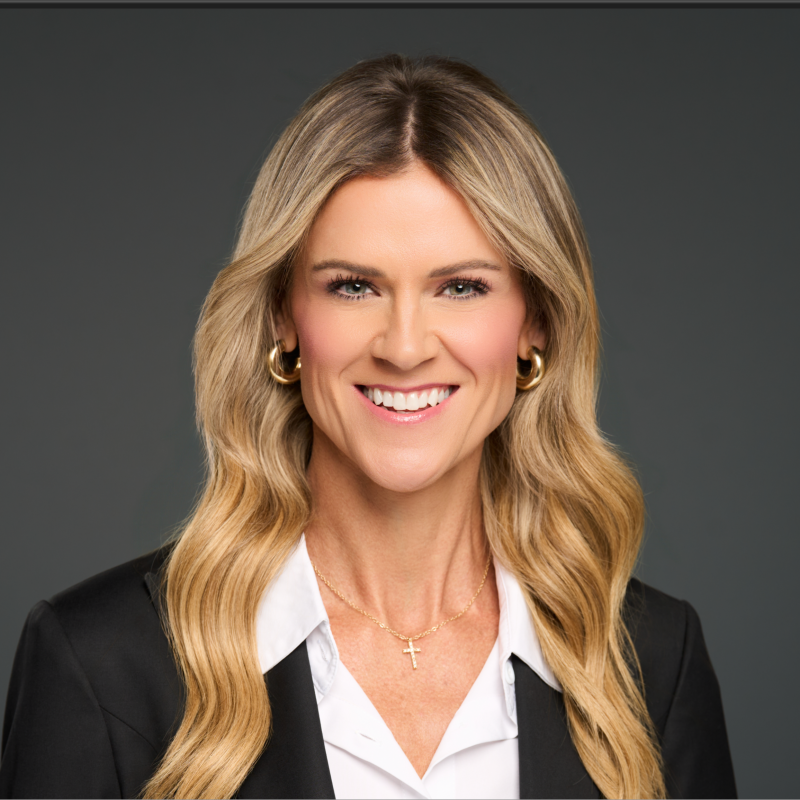
Hi, everyone. I'm Rachael Nemeth. I'm the CEO and co-founder of Opus Training. I'm really excited to introduce you to today's guest. Heather McKeon is COO of Gringo's Mexican Kitchen. This is a full-service Tex-Mex concept that's been really a Houston institution since the early 90s. Heather has been in the company for almost 30 years, but up until 2024, she was actually on the marketing side of the house, defining the guest experience, what the brand actually stands and now she's responsible for delivering on it. It's not the path that most COOs take, and I think that that brings a really unique perspective to this role, which is why I wanted to bring Heather on today. Gringo's is also at this really interesting moment, 30 years with this deep suburban Houston loyalty, and they're now figuring out how to expand. Heather is going to give us her perspective on the world and on leadership. Heather, I'm so excited to see you. Thanks. Welcome to Back to Basics.
Heather McKeon 1:02
Well, thanks for having me so much. As much as I'd say I wouldn't, I'm nervous. I think I can talk forever about Gringo's and Jimmy Fonga's, but this probably should come easy
Rachael Nemeth 1:11
to me. I promise you, well, you know, maybe just to start, like you have such a rich history with Gringo's, like tell us about your journey to COO. So fun. I started with the company. So
Heather McKeon 1:26
if you ask me who I am, I think part of my story is unique because I am a mom and a wife. I have a 24-year-old and a 22-year-old and have been married for 23 years. And so I think that that is something unique even for the industry alone to be with the same company, to be with the same husband. And I have two wonderful children. So that is a lot of what makes up me, but I started with our company three years after we opened in 96 and started as a hostess. And truth be told, I thought it was going to be my fun job. And I know that sounds silly and our founders and CEOs probably like fun, you know, I'm running a serious restaurant here, but all my friends were there. And it was a local restaurant, like you said, surrounded by rooftops, secondary market, and it was a ground up. And everyone was just so excited about what this thing was, was called Gringo's Tex-Mex. And I was graduating high school and just thought, hey, I'm just going to start and be a hostess and work a couple days a week. When did you get into management and the kind of marketing side of things? You know, it happened pretty quickly. So we opened our third restaurant in 1999. So three years later, I was still going to college and it was kind of one of those things where I think I have a bug for this, right? The restaurant industry was just so fun and fast-paced and decided to change up my major and go into management and marketing. And it was one of those like, hey, we think we have an opportunity, but in an early restaurant phase of opening your third restaurant, I know Russell Ibarra, who is our founder and CEO, was not thinking of a corporate team at that point, right? So it's kind of like, okay, you know, we'll put you in management and this is what I was doing. And I thought about leaving honestly, because I really, even though I love the restaurant industry, my heart wasn't in the side of being a restaurant manager. I loved the marketing aspect and the design side and the fun and the menu. And so he said, okay, well, I don't really have anybody corporate, but we could use somebody for marketing. And so I jumped at it. And thankfully, there was a lot of people around me that I reached out to mentors that said, hey, I have a piece of paper that says I know marketing, but sort of goodness, everybody that thinks that you think you know marketing things you can design. And back in that day of 2001, I kind of had to learn how to design and I joke and I laugh at some of my designs back then, but from menu layouts, there wasn't a whole lot of strategy at that point, you know, it was just about getting the job done. It was, you know, introducing beverage programs, menu programs that was, you know, the new hot item. And at that point we had, I think five stores. And so I mean, I joke, but I mean, I could see, I can see the evolution in my brain of our menus of like 1.0 to where it is now in 2026. So yeah. So then fast forward a couple more years and it was kind of like putting down goals and where do I see myself in 10 years. And I have those, those papers of saying I want to build a marketing department. I didn't let her say CMO. I couldn't see that far. It was just, I love gringos. I love the people I work for and the people I work with. And we just had a lot of fun. And so it just naturally developed into this thing of going, okay, well, I know restaurants. I have this marketing degree. I had mentors that taught me a lot in terms of beverage programs, menu programs, how to just dabble in local community marketing, you know, we're not at the size where we're talking about commercials or anything like that. But it was really within our four walls, as far as grassroots and putting the money into the community that supported us. And so thankfully, I just, it was on the job training, right? The best kind of training in restaurants is on the job. Yes, I would say so. Yeah. But you know, the background of coming from operations and even just going back into thinking about being a cruise director for, you know, an event side, I just loved the hustle and bustle. So even though marketing was my path with gringos, I think, you know, that combination word of marketing and operations, market operations, you know, you can just combine it together. I never forgot where our business lied, right? Like as far as serving the best Tex-Mex possible at the lowest price possible. And so everybody around me from the operational team and from our general managers, it was how can we have these programs, these new menu items and just everything that I could learn about the business, I took it as an opportunity from signage, right? Like they called me the sign girl for the longest time. I actually, I mean, we have an amazing IT team now. But back 15 years ago, Heather locked herself in our server room and learned everything I could about the point of sale, because I thought, okay, if I need to know product mix, and I need to understand what menu engineering looks like, I'd like to know it from what the user experience is dealing with. And so creating our database and understanding what our servers and our bartenders were doing. So I never really left operations. So I had one of the questions was kind of like, you know, how did you, how did you transition from CMO to COO? And I just thought, gosh, I don't know if I ever really felt 100% marketing. And I think that's just the way the our leanness of our company operates is without operations, there is no marketing team. So I guess I kind of had that approach always as you know, Russell said, well, you know, we need marketing, but really it was all about restaurant operations. And how could I make maybe the operation side a little bit more fun, a little bit more pretty, as silly as that sounds with the design side from logos to menus to table tents to, I think marketing stops starts from the moment you drive into the parking lot. So the minute you exit the building, right? So it's, it really is hand in hand. So I think they're, they're in unison 100%. Well, and, and you know, you, so you spent like
Rachael Nemeth 7:22
two plus decades kind of defining what Gringo's brand standards are. Well, at the same time, balancing that with like, whether the, the operation can actually deliver it. And I think that's a rare vantage point, like most operators build standards, and then they kind of hand them to marketing. And I think you've actually built standards as marketing. And now, obviously you own the execution as well as COO, but I think that that's a really interesting tension that's worth exploring. Like what changes when a person who defined the brand promise now has to like run the kitchens that keep the brand promise. So, you know, Gringo's is, you know, a 30 year old brand with like a lot of loyalty in Houston. And as you expand into new markets, how do you protect what makes Gringo's Gringo's?
Heather McKeon 8:22
Oh, good question. In terms of, I think that, you know, we are so people oriented with everything we do with every decision we make, it is how does it impact the team members? How does it impact our guests? Right? And so, I think going into new markets is just saying true to our identity, right? Continue to focus on the people. And when we go into new markets, which right now I'm actually sitting in my car, stepping away from a training, training section, because we opened a new restaurant. Day in the life of an operator. Yeah. Exactly. And I think that our goal is to be a community partner, right? So I think when we're opening new restaurants and new markets, it's just about adding value to that market or adding value to that community. And so, we know our food is great, right? And as long as we continue to focus on quality and hiring the right people, I think that, you know, we're going to be a win in the market. I mean, of course, everyone could say location, location, location, right? So you got to have the great spot. But I think that remaining focused on what got us to 33 years of business and never losing sight of that is what's going to keep us to 35 years and hitting that 40-year mark and 50-year mark. And really, that falls on operations, but on marketing too, right? Like, because we've got to be recruiting the right people. We've got to be training at a level that keeps us competitive, right? That keeps us relevant to recruit good people. I think the younger generation is a goal for us, right? Like, we opened a restaurant in College Station, Texas, about five years ago, and that is the home of Aggie Land. So Texas A&M University. And it's been so fun to be in a college town where it's about an hour and a half outside of Houston. And it is so fun to have people that are dining there with their children that used to find at the restaurant that I opened in 1996, right? And so they've gone to college there and now they're raising their children in a community that they're being able to have birthday celebrations and graduations. And Gringos is a connection for them, right? It's a piece of their story. It's no longer about food, right? It's about the memories that you're creating with families. And so I don't know. I think that if
Rachael Nemeth 10:51
we just continue that. Well, and I want to lean into that for a minute. So when you think about what makes a Gringos visit feel like a Gringos visit, how much of that really just comes down to how you train your teams on how they're interacting with people? Or is it something else? Well, I think
Heather McKeon 11:10
it's about hooking. You know, I joke all the time. I mean, I say, you know, when we're talking about management, let's say, you know, like we drank the Kool-Aid, right? Like our leadership team. At 25 years, you know, we spoke about our magic, right? And I didn't say that because of Disney. But again, I think it's our Gringos magic, right? That our leadership team, the amount of years of tenure, we're able to tell stories. You know, we're able to go into this new store opening in this new community. And myself, our president, our procurement officer, our VP of operations, we're all there. And we're telling the story of I was a host or this general manager that's opening this location has been with us 16 years. He's been a GM for 10 years. Our president has been with us for 25 plus years, you know, and I think by telling that and putting this vision in front of people of that one we care about them, we're so excited to be a part of their lives. And the training component that we're talking about things that they're seeing in training, and they're seeing it in real life too, and we're all around them and supporting them. You know, like our president said, when people get stressed, right, we don't want to say calm down. We want to say, we're here for you. We're here for you. And I think that that's that difference. And yes, it goes back into the granular level of training and what the content is and is it digestible. But I think if they have that human factor to back it up, that's where the magic happens, right? And that's where they're understanding that we are there for them. And what makes us unique is our tenure. And we don't have turnover, right? I mean, we opened Gringo's homeball in June of last year, and we're approaching our one year. And I get to go into that restaurant and see a good 65 to 70% of the team members that were there on that opening day in June of
Rachael Nemeth 13:06
last year. What is the secret to that? Yeah. And obviously, what makes training great is this kind of blended experience, making it digestible. But also, I love how you're talking about those human stories and the real experience that managers can say, yeah, I was in your shoes. I know this, and I understand this, and I know these regulars. But you telling me that you have a store that opened last year and you still pretty much have the same staff there. What's the magic? What leads to it? Is it just that they're emulating these other people who have been there forever?
Heather McKeon 13:42
I think it's the rich culture. I mentioned the president but also our CEO and founder on opening day, he's there and he's giving that motivational speech. And he is talking about that moment in 1993 that he remembers opening the first location and turning on the open sign, like literally clicking that open sign. And that feeling that he gets or he had, he never wants to forget that. And so he wants to create that same magical moment for them that when we open the door at 11am and those guests walk in the door, that's a moment of gratitude that no one wants to take for granted. And so I think that by passing it down and creating management or developing that culture in management that continually spreads that, you know, you're just developing. It's the layers upon layers of a foundation. And a part of that comes through tenure. Part of it is continually being a storyteller, right? You've got to tell those stories because if not, you're just any other restaurant, right? And so seeing their faces, being heard and knowing that we're serving the community. And you know what we talk about? Do you need something on a personal level or a professional level? We're here for you, not just on the professional, but on the the personal side. What do you got going on? And so no longer is it just a job? It's about coming, it's for them to come to that maybe they're expecting escaping something at home, sadly. But at the same time, it's just, again, it's culture. And you know, I think culture, it's about not diluting it. And you know, the fact that we're able to retain those people makes our job easier because a year from now, same people are there. And again, we just got to promote to managers and training that opened that restaurant five years ago. And now they're going into the training modular and it just is again, it's just it's repeating itself. And as long as we can continue to protect that culture and that brand led our operations, where it's about people, it's, you know, rice and beans are our vehicle to change lives, right? To help people and to help the community. That's our vehicle of doing it.
Rachael Nemeth 15:51
But ultimately it all comes down to relationships. Well, so I want to slightly switch gears here a little bit. You know, you're talking about this kind of people component, the culture, all of that still requires kind of ingraining Matt and people. And you and I met because, you know, you guys started working with Opus several months ago. So walk me through what finally made you say that you guys needed something different for training or something
Heather McKeon 16:15
new for training. We definitely did. I think that right now in the age of technology, things move so fast. And what we were experiencing was a very bureaucratic way of doing training and the layers that were created. And our past LMS was just it was so slow to make changes to upload for people to feel the impact where even though we are a company of 22 stores, we're still in the restaurant industry and things are ever changing. So if we need to make a decision on the fly, that's the beauty of our company is because we don't have so many layers. But if we have so many layers and our LMS didn't match the way we were operating, it was constant friction. And what we realized is this was it was became this big ginormous package. And in order to make changes and hit the front lines, there was just too many layers. And the user experience was dying on our teams, right. And so what we found was so unique with Opus was it was all about the user experience from the layout to the look, the feel, how easy it was to onboard, how easy it was to get them in. Oh my gosh, I can tell horror stories of our past. But we know that when we looked at Opus and even now, what five months, six months later, we're still hearing, oh my gosh, this is so easy to get on board. You know what I mean? Like, oh my gosh, where's this been? And then to open it up and to see, oh, that was such a fun experience, right? It didn't feel mundane. It didn't feel old. And it just it wasn't that 1980s training. You know, it felt fun and it's relevant. Having a 24 and a 22 year old, I get to use them to bounce things off of. Yeah. Yeah. Like the emojis, the AI, the, hey, this is this. But I think ultimately that really the deciding factor was just how fast being in a new store opening and going, oh gosh, wait, is this in our bus training? Hold on a second. And being able to make instant changes. And because I have my training team here with me, but like, hey, grab photos right now, we're going to change the way this bus is operating and literally within an hour, we're sending out information. And again, we're not reworking our entire system. If anything, it's just enhancing it. It was adding another component to it that now we have an extra layer of bus that two days ago we didn't have. And for us, for because we are 22 restaurants, but our corporate team is very lean, my training team is two people. So they do a lot for our, you know, for this restaurant, we have about 170 team members. And so for them to have to go through the struggles that they were dealing with, with the onboarding friction and the layers of, you know, just passwords and phone number, wrong email addresses. And we have not experienced any of that with Opus. So we're very, very grateful. I love to hear that. And, and I mean,
Rachael Nemeth 19:14
you're literally in your car right now, like going between restaurant, you know, restaurant openings and all this stuff. Like, it's real what you're speaking to, you need as an operator to kind of iterate in real time. And you're kind of like living this world. And, you know, I've been there too, on the leadership side where you've got a lot of balls to keep in the air. That really makes you want to dive in a little deeper for a minute, just about you and how you think about leadership. So you've really got this kind of interesting perspective where like you're you've grown your your career inside gringos. And I think that's increasingly rare. And I think it's worth exploring, because it's sort of this question of like, what does it actually take to keep growing when you like can't rely on like the reset that happens with a new company, you know? And so, speak to that, Rachael. Yeah. And that that's my question for you is like, you've spent your your whole career at gringos, but how do you make sure that you're still bringing in fresh perspectives and outside thinking like what keeps you fresh and
Heather McKeon 20:25
up to date as a leader? Oh, gosh, I think that could be answered in so many different ways. I feel like my brain is kind of going well, this will this will this. I mean, I think sometimes it's about the individual, right? Like this brand, this company, what I get to do every day is so personal. I mean, it is absolutely a part of me. And I think that no knocks to anybody else, but that reset I don't need, because I don't own this company. But gosh dang, it almost feels like I do. And that is that's the testament to Russell E. Barrett and the power and the the autonomy, the empowerment, the sense of ownership that he gives his entire leadership team of understanding that we're building something special together. It's not about him. It is about it's about the people and the people, the other leaders that I work with. And I get to do life in that sense of day to day operations with our core value number five is so simple. It's called never being satisfied. And we live it. It is a part of us. And you know, you talk about the level of perfection. And what we constantly coach is that we are just running to excellence, right? Perfection is almost attainable. You may touch it for a moment, but gosh dang, it's a very short lived second, right? It feels that moment. But if you are searching and running towards perfection, by gosh, you're going to reach excellence. And I think that by empowering, training, laying a foundation for all of the individuals in our company is created an avenue for all of these leaders to be promoted and move up through our company, that it makes it easy. But ultimately, I could say the same thing for so many people that we feel privileged to wake up and do what we do on a daily basis. And so that reset with another company, I can see it and I can hear it. But we are constantly challenge, challenging ourselves within our four walls. And with our little, you know, 22 stores that's soon going to be 23 and 24 and 25, that level of chasing perfection to get to number store 30 or to hit sales numbers. That's what resets us, right? And doing the things that we make a difference on. I mean, philanthropy,
Rachael Nemeth 22:58
It's like always raising the bar, basically. Yeah, exactly. And it's all about the people,
Heather McKeon 23:02
you know what I mean? When you get to serve new guests, when you get to go out in the community, I mean, there's something fun when I get to say that I'm a mom, right? Growing up, and I get to see our younger leaders now where they go into these communities and they get to where the gringos brand and they're going into their children's kindergarten classes or maybe the elementary schools or we host elementary events where we're taking them through their kitchen. The sense of pride that everyone has, I just can't say it enough just and it goes back to culture and it goes, it goes back to the top and it's my job that I don't take lightly. This year for 2026, my word is protect. And I really thought about what that word meant because we have a new restaurant opening this year will likely have two restaurants opening in one year, which is new for us next year in 2027. And how do I protect the teams that are within our organization, protect us for bringing on the right people, not the wrong people, right? Because how easily somebody could come on that is not a good fit. So understanding, protecting everything in our business so that this company continues to thrive with our current leadership team and the people that we're bringing on because without those future leaders, we don't have those future restaurants, right? Which goes back to training, right? So one of the cool things about Opus that we've been really excited about with the training team is our manager and training program. Right now, we have eight managers going through it and we're doing a new platform and we're working with Opus to really see how that gives them that hands-on training, but digestible content and loving the searchability of them being able to, we're actually using it and I don't know if other people do, but your resources area has been such a game changer for us in terms of SOPs and even things like, oh, you need to use that form, you need to use that form and these poor managers that are coming on and they're just inundated with all of this detail, right? Yeah. With your guys' intelligence of the Opus learning and they're just jumping on and they're doing a quick search, it's a game changer and it's really been very, very user-friendly and such a breath of fresh air for our teams.
Rachael Nemeth 25:12
I'm so glad to hear that and I love also hearing that it's really doing the job of empowering managers to get the information they need because there's nothing you can solve for in restaurants to get rid of the fact that you're going to brain-dump people, it's going to be like, that is an unsolved problem. I run a training company and still when we have new hires, there's still the kind of like, oh my gosh, I'm drinking from the fire hose moment, but you can solve for a lot of that with making sure that people can find the right things when they need them, right?
Heather McKeon 25:42
Because we can all moment, right? Like, where they're just like, they feel like they're hitting roadblocks and fences and then all of a sudden it's like, hold on, let me think through this and they use their brain and then they go, oh, I did it. You know what I mean? Like, all of a sudden, you know, and now they're very excited to share with their other fellow managers, like I found it, I got it, I didn't have to call corporate, I didn't have to send any messages because, you know, again, it's kind of like even talking about the layers and protecting time in 2026, right? That was one of the things of like, what software are we using in our tech stack, right? That is user-friendly, that is not over and inundated, less notifications, right? Because you only have so many, so many minutes in the day and for them to be able to not have to create more levels of communication and find things on their own is such a time saver, such a time saver for all around.
Rachael Nemeth 26:36
So, you know, I wish we could talk for hours, Heather, because I really do have a lot of questions for you. The one thing that I'm most curious about before we get into the lightning round here and wrap up is, is there anything around your leadership style that you have changed your mind about or that you kind of evolved? You know, you were a young manager, you sort of grew up in the ranks, you couldn't have been the same leader the whole time, right? So like, how would you describe the kind of leader that you were early days versus where you are now, knowing that you are getting
Heather McKeon 27:14
a lot of fresh perspective from just your team, you know? I think there's probably two layers to that. I can look back at Heather 25 years ago and I have a strong personality. I would say, you know, there's a book called The Front Row Leader. I'm in the front row. I want to answer the question. My hand's the first one to, I want to talk. So I've had to learn to become a stronger listener and to really understand and not be so objective and be more subjective and understanding we deal with, I deal with, we deal with a vast, all the shapes, walks, types of people and understanding that not everything fits into a perfect box and that comes with listening and humility, being humble. I just can look at myself at 25 years ago and I think one of the examples of maybe being on the floor, because again, even when I was in marketing, I was opening, I've been at all of our restaurant openings. This is a part of me. You know, so I never lost being part of the operations team, even though I was marketing. So maybe I had a vision of COO that I didn't realize that I wanted to go, but I think that I can remember going, you know, being on the floor and having a wealth of knowledge because I'm a digger, you know, I'm always like, well, why this, why this? And having a team member go, well, hey, Heather, what about this? And I can remember having such a pace and saying, walk with me. But gosh dang, walking through that alley and walking so fast, did that team member or did that manager feel like I was giving them the time of day? Was I really there for them? No. So I think slowing down and truly giving people intentional time. And that may be, I mean, that could be 30 seconds. I'm not saying sit down for a 15 minute one on one. I'm talking about just slowing down that I can look them in the eyes and truly give them my attention. I think has done me well in terms of my overall leadership and understanding that I like to laugh. I work, you know, we work hard. We play hard. And I don't take myself seriously. I probably took myself too seriously back in those days. So I think I was trying to prove myself and, and I'm still trying to prove myself because I'm still learning and have so much to learn on the operational side. But I always ask questions and I'm the first to say, you know, I can call one of my maintenance or my, my facilitator maintenance facilities and say, Hey, phone a friend, teach me this, right? Like the sewer system and, Hey, I've got this grease trap, you know. And so I think that humility and just, again, go, it goes back to relationships, right? And giving people the time that
Rachael Nemeth 29:51
they want and being really intentional. So Heather, this has been a pure joy. I love talking to you. And I feel you come with so much energy and you have such a, you're so thoughtful, like given how much you work and how much time you're putting in to, to building this business, even the fact that you like stepped aside at the start of this year and you said, I need a word for this year. Like, I don't have time for that. So I love this. Let's wrap up with our lightning round. So I'm going to ask you a few quick questions, answer them as fast as you can. No justification needed. In fact, we do not encourage any justification. Just give us a couple of words to answer it and leave the, leave our listeners hanging in mystery. So first question is what was your first job? So babysitting? Okay. What Tex-Mex trend are you completely over? Oh, Tex-Mex trend. Mary, maybe
Heather McKeon 31:00
Bittery Otakos? Maybe I feel like they've been overdone. Yeah, I can onboard with that. Yeah, those are, I feel like they're everywhere right now, but they're still doing well. So there's
Rachael Nemeth 31:10
a reason for them. Well, that's the flip side of this. So what's your favorite Tex-Mex order that you'd,
Heather McKeon 31:15
you would never put on the menu? Right now, the skillet burrito, the gentleman that did like a big series on like a smash burger that you cut in half and you dip it in queso and it's on a skillet, like a fajita skillet. We actually were in Japan in November and we went to that restaurant and I was just like, we're going to do it, but we are a high volume restaurant and I just, the fear of queso coming off of a skillet. So kudos to those restaurants that are doing it. We cannot with our volume. If we ever did like a boutique style, we would kill it, but no.
Rachael Nemeth 31:48
Love it. I have not tried one, but I want to. What is the biggest misconception that people have
Heather McKeon 31:56
about the COO role? That it has to be all paperwork or number driven. Yeah, yeah. Case in point, you're in your car right now. I think that's the wrong way, the wrong approach. It's
Rachael Nemeth 32:16
operations. It's about people, right? So, yeah. Around the field. Yeah. So, and then what, as just a human, what are you going back to basics on personally? What are you re-learning or learning for the first time, whether it's a hobby or anything else? Oh, I think
Heather McKeon 32:34
I'm minimizing my own personal digital tech stack, right? Like so, it's people over paper. It's tuning out the noise. I think that social media for a while, which is part of marketing. I'm sorry I'm giving the story on this, but I think that it's protecting my time, both professionally and personally. It's writing down, not feeling like I'm always having to be on my phone, whether that is the social side or the constant communication. It's people over paper or people over phone in that sense. But I would say, you know, prioritization of tasks and being focused on what's going on in the moment, not always constantly being inundated with what's coming up. Yeah. That's what I would say. But again, that kind of goes back to my work protect. And so, I kind of have a whole strategy on what that means for this year for me.
Rachael Nemeth 33:24
So, last question. If you could give your 25-year-old self one piece of advice,
Heather McKeon 33:30
what would it be? Trust the process. Live every day intentionally and just understand
Rachael Nemeth 33:38
if you work hard, good things will come. Yeah. Heather, it's been a pure joy speaking with you. Thank you so much for joining and I'll have to you soon.








_logo.svg.svg)